If you’re searching for biblical guidance regarding weed and cannabis, this content is specifically designed for you. Today we’re exploring Scripture passages that provide spiritual perspective on this topic according to God’s Word. These verses address themes of stewardship, health, legal authority, and spiritual clarity that relate to substance use. Whether you’re seeking biblical wisdom for personal decisions or deeper understanding of Christian principles surrounding this issue, the passages ahead offer thoughtful, scriptural insights. Let these verses guide your reflection and strengthen your faith-based perspective.
Introduction
Dear friends, when we explore what the Bible might say about weed, we’re diving into a broader conversation about making wise choices, exercising self-control, and honoring God with our bodies. While marijuana isn’t mentioned directly in Scripture, the Bible offers us clear principles to guide our lives.
Consider this: our bodies are described as temples of the Holy Spirit. This isn’t just a pleasant metaphor—it’s a reminder to treat ourselves with the respect and care that God desires. When we decide what substances to consume, we’re expressing our trust in God’s plan for our lives and health.
Scripture emphasizes the importance of sobriety and maintaining a clear mind. God wants us to be alert and fully aware, not clouded or distracted from the spiritual truths around us. Imagine trying to connect with God, support our loved ones, and be present in our daily lives without mental clarity. Striving for a clear mind is a reflection of spiritual maturity.
The Bible also speaks about freedom—true freedom isn’t about doing anything we please. It’s about liberation from anything that might control us and keep us from fulfilling our potential. Exercising self-control shows that we belong to Christ and that His Spirit is working within us.
One of the most profound teachings of Scripture is the encouragement to consider our choices carefully. Every decision has the potential to bring us closer to God or distance us from Him. Our actions influence not just our lives, but also the lives of those who look to us for guidance.
Finding the right balance between our freedom in Christ and our responsibility to live wisely is key. This involves listening to our conscience, seeking God’s wisdom, and making choices that reflect our faith.
Dear friends, as we ponder these ideas, let’s remember the overarching message of love, wisdom, and responsibility that the Bible offers us in our journey.
What Does the Bible Say About Cannabis and Marijuana?
Understanding what the Bible says about cannabis and marijuana can be a bit challenging since these terms are not directly mentioned in scripture. However, there are principles regarding nature, creation, and stewardship that can guide us. Reflecting on how we use various plants and substances reminds us to consider the purpose and impact of these choices in our lives and the lives of those around us.
“God said, Behold, I have given you every herb bearing seed, which is upon the face of all the earth, every tree, in the which is the fruit of a tree yielding seed; to you it shall be for meat”— Genesis 1:29
“Every moving thing that liveth shall be meat for you; even as the green herb have I given you all things”— Genesis 9:3
“He causeth the grass to grow for the cattle, herb for the service of man: that he may bring forth food out of the earth”— Psalm 104:14
“For every creature of God is good, nothing to be refused, if it be received with thanksgiving”— 1 Timothy 4:4
Bible Verses on Substance Use and Sobriety
Substance use and finding balance in life is a theme that resonates through scripture. The Bible encourages us to live soberly and with awareness, so we can be present in our spiritual and everyday lives. This guidance helps us to see the importance of moderation and the potential consequences of excess, urging us to seek clarity and balance.
“Be not drunk with wine, wherein is excess; but be filled with the Spirit”— Ephesians 5:18
“Be sober, be vigilant; because your adversary the devil, as a roaring lion, walketh about, seeking whom he may devour”— 1 Peter 5:8
“Wine is a mocker, strong drink is raging: whosoever is deceived thereby is not wise”— Proverbs 20:1
“Let us walk honestly, as in the day; not in rioting drunkenness, not in chambering wantonness, not in strife envying”— Romans 13:13
“Now the works of the flesh are manifest, which are these; Adultery, fornication, uncleanness, lasciviousnessIdolatry, witchcraft, hatred, variance, emulations, wrath, strife, seditions, heresiesEnvyings, murders, drunkenness, revellings, such like: of the which I tell you before, as I have also told you in time past, that they which do such things shall not inherit the kingdom of God”— Galatians 5:19-21
“Nor thieves, nor covetous, nor drunkards, nor revilers, nor extortioners, shall inherit the kingdom of God”— 1 Corinthians 6:10
Biblical Principles of Body Care and Self-Control
Taking care of our bodies and practicing self-control is a recurring theme in scripture. The Bible teaches us that our bodies are sacred and should be treated with respect. This includes being mindful of what we consume and how it affects our overall well-being. By exercising self-control, we honor our bodies as temples and reflect our commitment to living a life of faith.
“What? know ye not that your body is the temple of the Holy Ghost which is in you, which ye have of God, ye are not your own?For ye are bought with a price: therefore glorify God in your body, in your spirit, which are God’s”— 1 Corinthians 6:19-20
“He that hath no rule over his own spirit is like a city that is broken down, without walls”— Proverbs 25:28
“But I keep under my body, bring it into subjection: lest that by any means, when I have preached to others, I myself should be a castaway”— 1 Corinthians 9:27
“But the fruit of the Spirit is love, joy, peace, longsuffering, gentleness, goodness, faithMeekness, temperance: against such there is no law”— Galatians 5:22-23
“For God hath not given us the spirit of fear; but of power, of love, of a sound mind”— 2 Timothy 1:7
Passages About Freedom, Temptation, and Sin
Freedom is a wonderful gift, but it comes with the responsibility to make wise choices. The Bible speaks to the struggle with temptation and the nature of sin, encouraging us to seek guidance and strength to overcome these challenges. By understanding the nature of temptation, we can better navigate our freedoms and avoid falling into sin.
“There hath no temptation taken you but such as is common to man: but God is faithful, who will not suffer you to be tempted above that ye are able; but will with the temptation also make a way to escape, that ye may be able to bear it”— 1 Corinthians 10:13
“But every man is tempted, when he is drawn away of his own lust, enticedThen when lust hath conceived, it bringeth forth sin: sin, when it is finished, bringeth forth death”— James 1:14-15
“Stand fast therefore in the liberty wherewith Christ hath made us free, be not entangled again with the yoke of bondage”— Galatians 5:1

“Let not sin therefore reign in your mortal body, that ye should obey it in the lusts thereof”— Romans 6:12
“Submit yourselves therefore to God. Resist the devil, he will flee from you”— James 4:7
“For the grace of God that bringeth salvation hath appeared to all menTeaching us that, denying ungodliness worldly lusts, we should live soberly, righteously, godly, in this present world”— Titus 2:11-12
Does the Bible Mention Marijuana Directly?
While marijuana is not directly mentioned in the Bible, the scriptures provide guidance on how we should approach substances and their use. The focus is often on how we manage our desires and whether our actions reflect our faith and convictions. By looking at broader principles, we can discern how to align our choices with our beliefs.
“All things are lawful unto me, but all things are not expedient: all things are lawful for me, but I will not be brought under the power of any”— 1 Corinthians 6:12
“All things are lawful for me, but all things are not expedient: all things are lawful for me, but all things edify not”— 1 Corinthians 10:23
“Let us not therefore judge one another any more: but judge this rather, that no man put a stumblingblock or an occasion to fall in his brother’s way”— Romans 14:13
“It is good neither to eat flesh, nor to drink wine, nor any thing whereby thy brother stumbleth, or is offended, or is made weak”— Romans 14:21
How to Apply Biblical Teachings to Modern Drug Use
Applying biblical teachings to modern drug use requires wisdom and discernment. The Bible encourages us to live thoughtfully and consider the impact of our choices on ourselves and others. By seeking guidance from scripture, we can find ways to approach such issues with care, prioritizing spiritual health and community well-being.
“Keep thy heart with all diligence; for out of it are the issues of life”— Proverbs 4:23
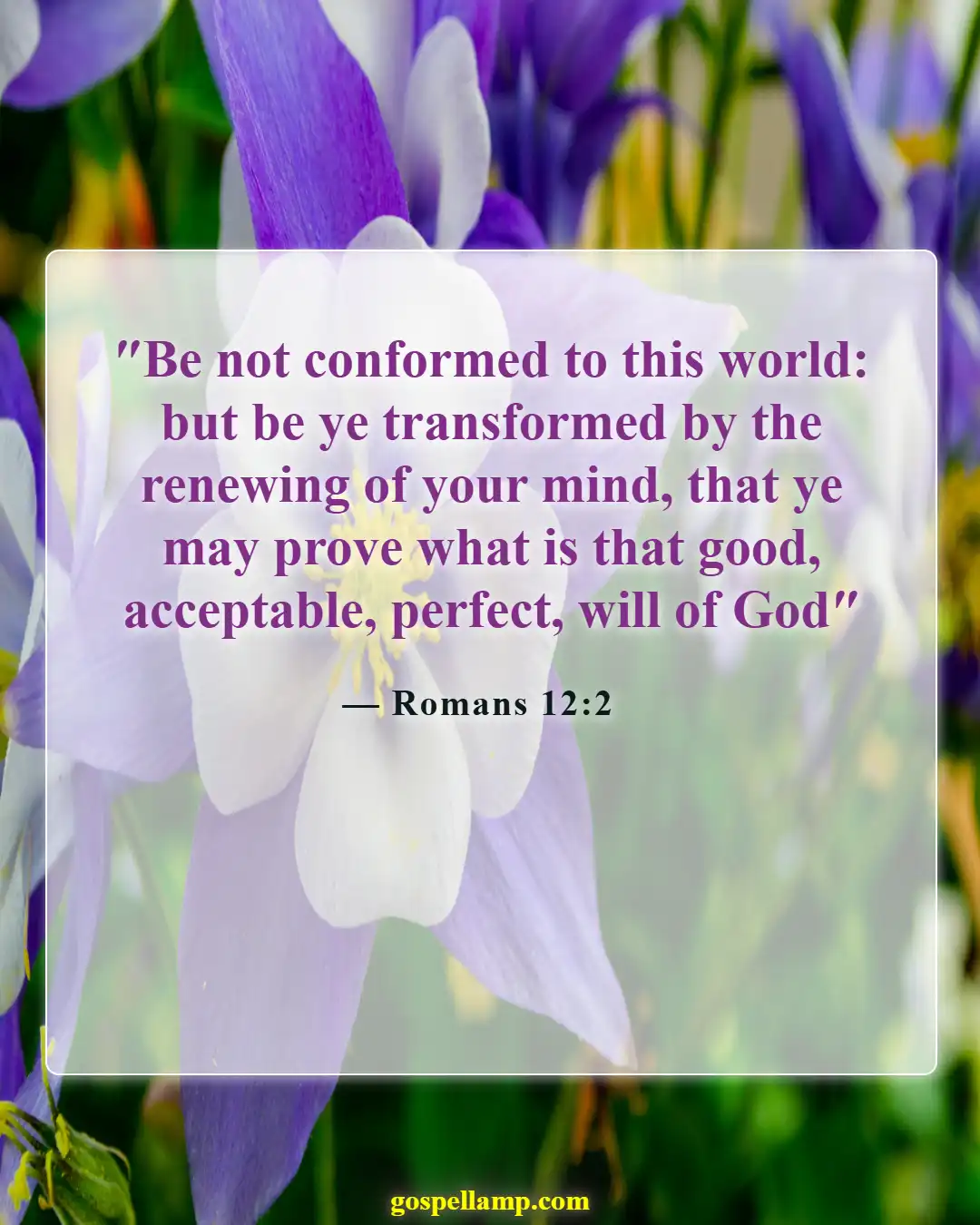
“Be not conformed to this world: but be ye transformed by the renewing of your mind, that ye may prove what is that good, acceptable, perfect, will of God”— Romans 12:2
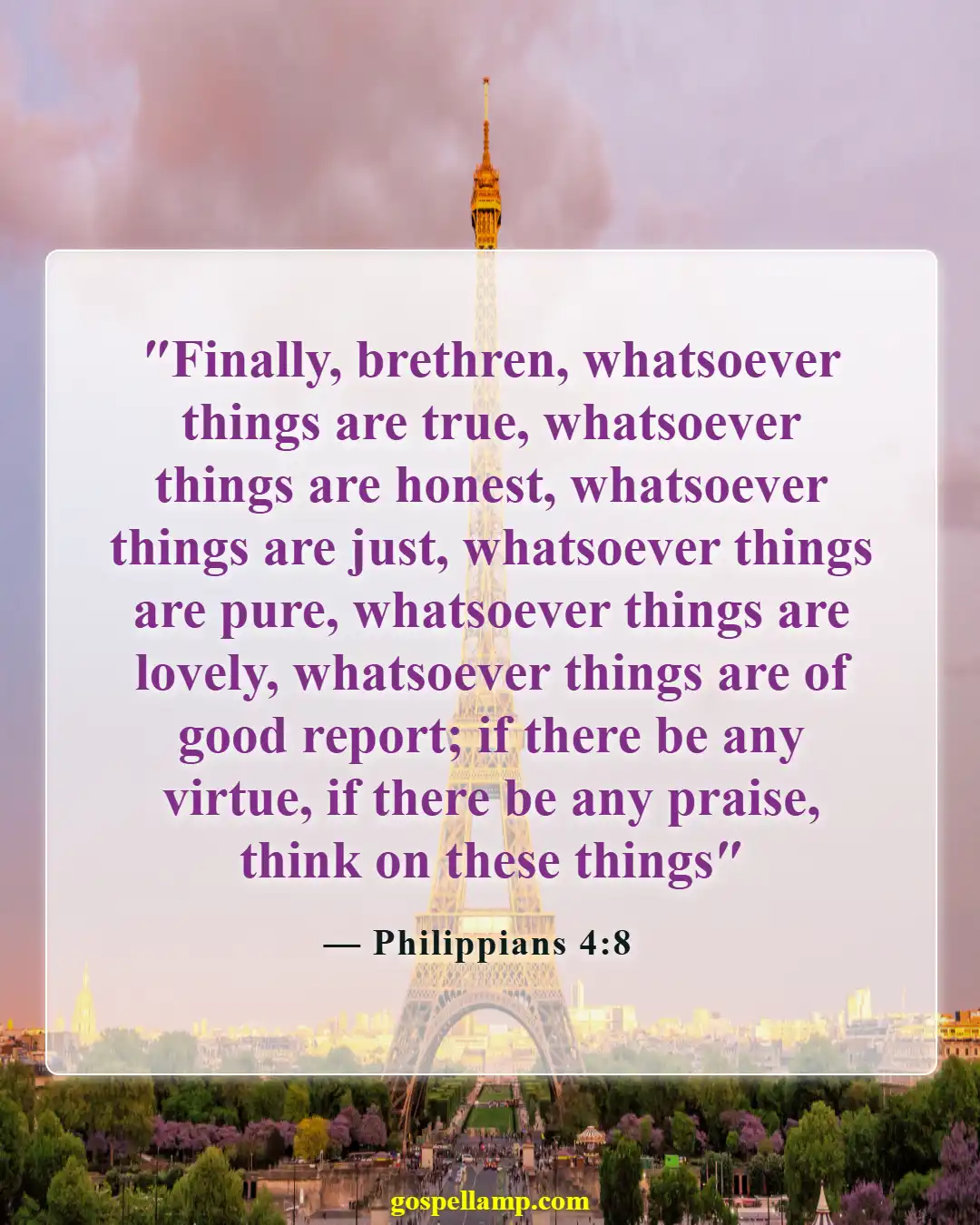
“Finally, brethren, whatsoever things are true, whatsoever things are honest, whatsoever things are just, whatsoever things are pure, whatsoever things are lovely, whatsoever things are of good report; if there be any virtue, if there be any praise, think on these things”— Philippians 4:8
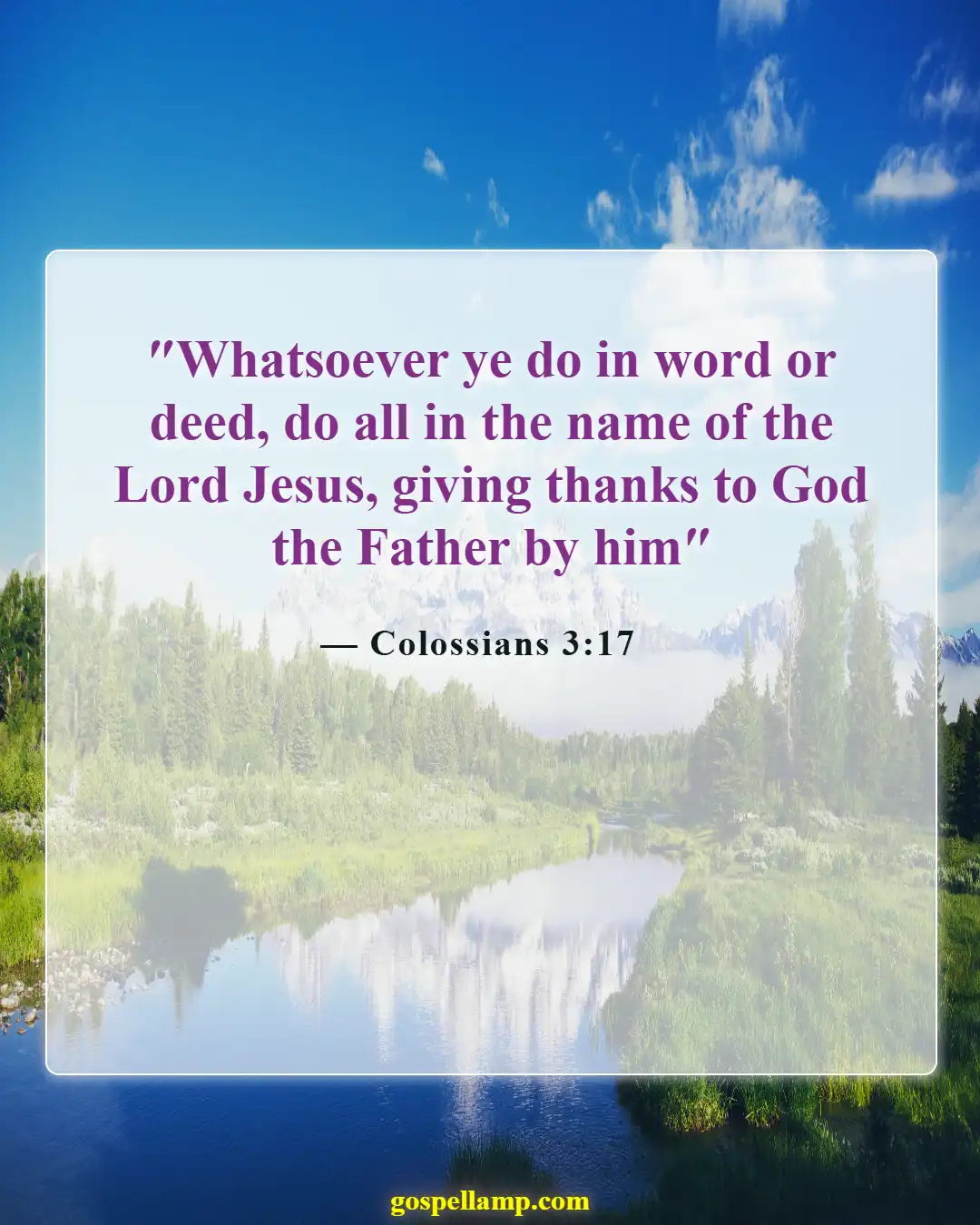
“Whatsoever ye do in word or deed, do all in the name of the Lord Jesus, giving thanks to God the Father by him”— Colossians 3:17
“Prove all things; hold fast that which is goodAbstain from all appearance of evil”— 1 Thessalonians 5:21-22
“Love not the world, neither the things that are in the world. If any man love the world, the love of the Father is not in himFor all that is in the world, the lust of the flesh, the lust of the eyes, the pride of life, is not of the Father, but is of the world”— 1 John 2:15-16
Finding Balance: Liberty, Conscience, and Christian Conviction
Finding balance in life between liberty and conviction is a journey of faith. The Bible emphasizes the importance of listening to our conscience and aligning our actions with our beliefs. It’s about understanding our freedom in Christ while being mindful of how our choices affect our spiritual growth and the community around us.
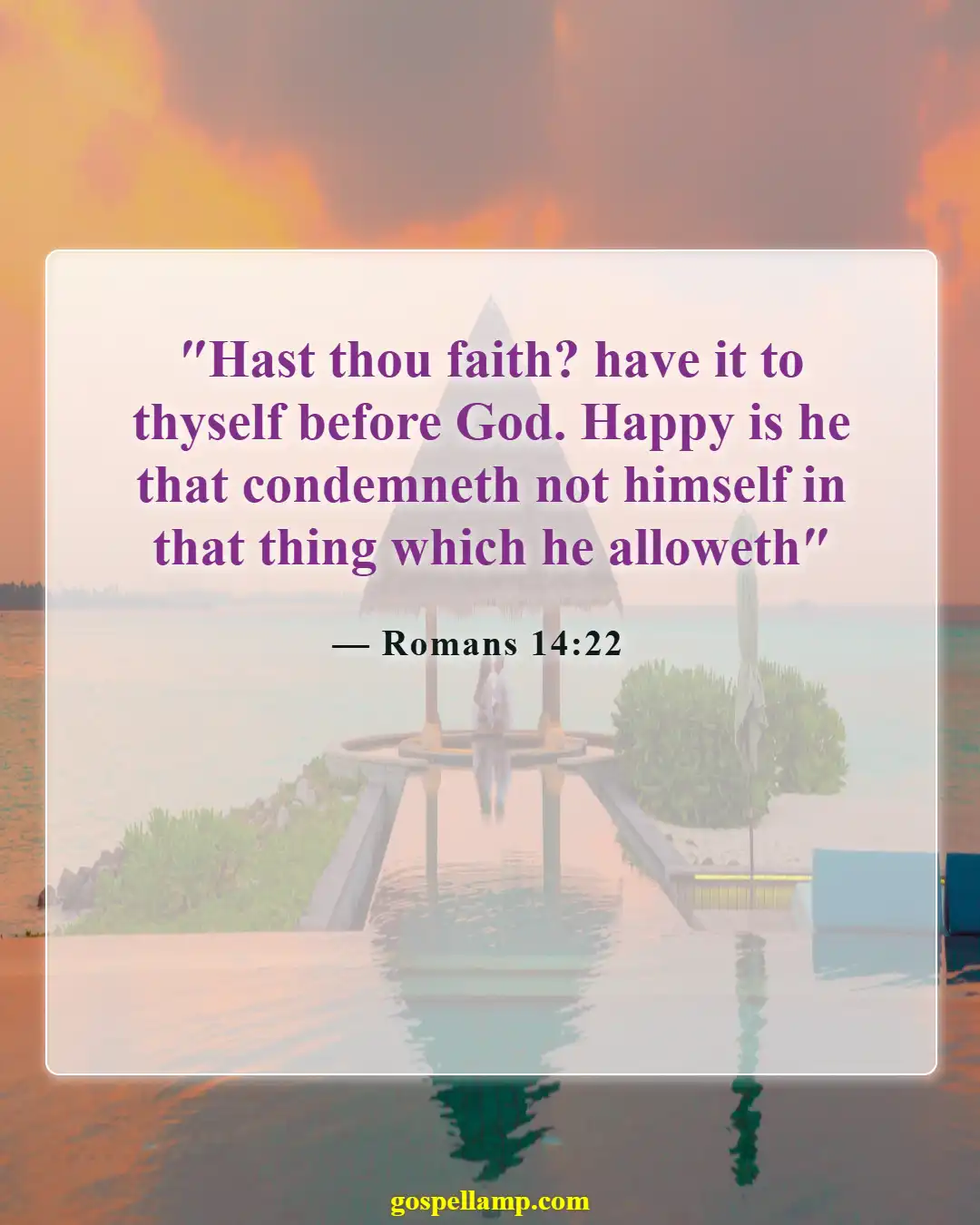
“Hast thou faith? have it to thyself before God. Happy is he that condemneth not himself in that thing which he alloweth”— Romans 14:22
“But take heed lest by any means this liberty of yours become a stumblingblock to them that are weak”— 1 Corinthians 8:9
“For, brethren, ye have been called unto liberty; only use not liberty for an occasion to the flesh, but by love serve one another”— Galatians 5:13
“But when ye sin so against the brethren, wound their weak conscience, ye sin against Christ”— 1 Corinthians 8:12
“Pray for us: for we trust we have a good conscience, in all things willing to live honestly”— Hebrews 13:18
Conclusion
Understanding what the Bible teaches about substance use requires us to look beyond specific mentions and grasp overarching spiritual principles. Scripture emphasizes that our bodies are temples of the Holy Spirit, calling us to stewardship and self-control in all areas of life. Whether dealing with cannabis or any other substance, the core message remains consistent: prioritize clarity of mind, physical health, and spiritual devotion.
The Bible doesn’t offer prescriptive answers to every modern question, but it provides timeless principles we can apply thoughtfully. We must consider how our choices affect our relationship with God, our influence on others, and our ability to serve effectively. This topic teaches us that personal conviction matters—what one believer feels comfortable with may differ from another’s conviction, and both can honor God.
Ultimately, applying biblical teachings to modern drug use means approaching decisions with prayer, wisdom, and honest self-examination. Seek guidance from Scripture, trusted believers, and the Holy Spirit’s leading. Let the Bible’s emphasis on self-control, community care, and spiritual clarity shape your choices, recognizing that true freedom comes through obedience to God’s design for our lives.