
If you’re searching for biblical guidance on infidelity and relationship faithfulness, you’ve found the right resource. The Bible offers profound wisdom about loyalty, commitment, and the consequences of betrayal in relationships. Whether you’re struggling with temptation, dealing with the aftermath of unfaithfulness, or seeking to strengthen your relationship through biblical principles, this content provides essential verses that illuminate God’s perspective on cheating. These scriptures will deepen your understanding of what the Bible teaches about honesty, integrity, and maintaining trust in romantic relationships.
Introduction
Dear friends, let’s take a moment to discuss something that touches many of our lives—the importance of being faithful in our relationships. When we commit to someone we care about, we’re making a promise, not only to them but also in the presence of God. This promise is significant and meaningful. Betrayal can hurt deeply, leaving wounds that may take time to heal.
In the eyes of God, our commitments matter greatly. Throughout the Bible, we learn that being unfaithful isn’t just a breach of trust with another person; it’s also a breach of trust with God. Cheating takes us away from the boundaries God has lovingly set for us. The pain it causes can ripple through the lives of everyone involved, affecting both our partner and our own spiritual path.
But here’s the hopeful part: God doesn’t leave us without a way forward. Even when we’ve made serious mistakes, His love and forgiveness are always available. Turning back to God and seeking forgiveness can transform a broken relationship into something resilient. It demands true humility and effort, but God’s grace is enough to cover any transgression.
Maintaining trust in a relationship is similar to tending a garden—it needs constant care, honesty, and dedication. We should strive for faithfulness, not only for our partner’s sake but because it represents the kind of people we aspire to be as followers of Christ. When temptation arises—and it surely will—we can resist by staying connected to God through prayer and focusing on what truly matters.
If you’ve faltered in this area, remember that the first step is to be honest with yourself, God, and your partner. There’s no need to hide in shame; instead, bring your troubles to the light. Healing takes time, but it is achievable. God is in the business of restoring and renewing what is broken.
So today, let’s make a commitment to honor our relationships and the promises we’ve made. Let’s choose to be faithful, seek God’s help, and live lives marked by integrity.
What Does the Bible Say About Infidelity and Unfaithfulness?
Infidelity can shake the foundation of a relationship, leaving both partners hurt and disoriented. The Bible addresses the pain and betrayal that comes from being unfaithful, offering guidance to those who seek to understand its implications. Through scripture, we are reminded of the sacredness of promises and the importance of remaining true to our commitments, encouraging us to seek a path of integrity and honesty.
“But whoso committeth adultery with a woman lacketh understanding: he that doeth it destroyeth his own soul”— Proverbs 6:32

“Marriage is honourable in all, the bed undefiled: but whoremongers adulterers God will judge”— Hebrews 13:4
“Ye have heard that it was said by them of old time, Thou shalt not commit adulteryBut I say unto you, That whosoever looketh on a woman to lust after her hath committed adultery with her already in his heart”— Matthew 5:27-28
“For the Lord , the God of Israel, saith that he hateth putting away: for one covereth violence with his garment, saith the Lord of hosts: therefore take heed to your spirit, that ye deal not treacherously”— Malachi 2:16
“Ye adulterers adulteresses, know ye not that the friendship of the world is enmity with God? whosoever therefore will be a friend of the world is the enemy of God”— James 4:4
“Then said the Lord unto me, Go yet, love a woman beloved of her friend, yet an adulteress, according to the love of the Lord toward the children of Israel, who look to other gods, love flagons of wine”— Hosea 3:1
Bible Verses Condemning Adultery and Sexual Immorality
The Bible speaks firmly against adultery and sexual immorality, emphasizing the sanctity of marriage and relationships. These teachings remind us to honor our commitments and the importance of fidelity. By reflecting on these scriptures, we can better understand the seriousness of these actions and the spiritual and emotional damage they can cause.
“Thou shalt not commit adultery”— Exodus 20:14
“Flee fornication. Every sin that a man doeth is without the body; but he that committeth fornication sinneth against his own body”— 1 Corinthians 6:18
“Now the works of the flesh are manifest, which are these; Adultery, fornication, uncleanness, lasciviousnessIdolatry, witchcraft, hatred, variance, emulations, wrath, strife, seditions, heresiesEnvyings, murders, drunkenness, revellings, such like: of the which I tell you before, as I have also told you in time past, that they which do such things shall not inherit the kingdom of God”— Galatians 5:19-21
“Mortify therefore your members which are upon the earth; fornication, uncleanness, inordinate affection, evil concupiscence, covetousness, which is idolatry”— Colossians 3:5
“Moreover thou shalt not lie carnally with thy neighbour’s wife, to defile thyself with her”— Leviticus 18:20
“For from within, out of the heart of men, proceed evil thoughts, adulteries, fornications, murdersThefts, covetousness, wickedness, deceit, lasciviousness, an evil eye, blasphemy, pride, foolishnessAll these evil things come from within, defile the man”— Mark 7:21-23

“Let us walk honestly, as in the day; not in rioting drunkenness, not in chambering wantonness, not in strife envying”— Romans 13:13
How to Repent and Seek Forgiveness for Cheating
Repentance and forgiveness are core themes in the Bible, offering hope for those who have strayed. Seeking forgiveness involves sincere remorse and a genuine desire to change. The scriptures provide a pathway for those who wish to return to a place of grace, emphasizing the importance of confession and the transformative power of God’s love and mercy.
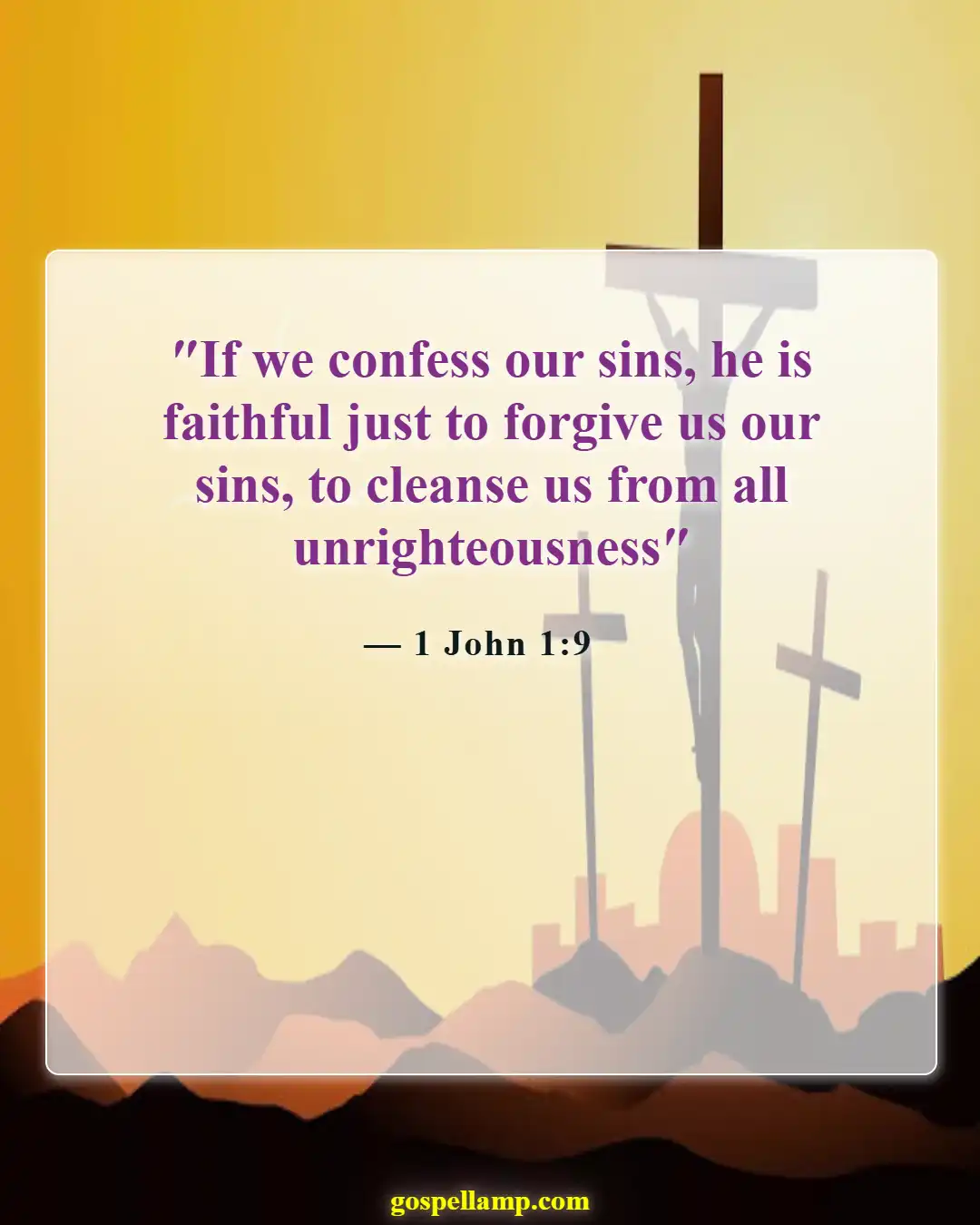
“If we confess our sins, he is faithful just to forgive us our sins, to cleanse us from all unrighteousness”— 1 John 1:9
“Repent ye therefore, be converted, that your sins may be blotted out, when the times of refreshing shall come from the presence of the Lord”— Acts 3:19
“Have mercy upon me, O God, according to thy lovingkindness: according unto the multitude of thy tender mercies blot out my transgressionsWash me throughly from mine iniquity, cleanse me from my sin”— Psalm 51:1-2

“Let the wicked forsake his way, the unrighteous man his thoughts: let him return unto the Lord , he will have mercy upon him; to our God, for he will abundantly pardon”— Isaiah 55:7
“Confess your faults one to another, pray one for another, that ye may be healed. The effectual fervent prayer of a righteous man availeth much”— James 5:16

“I say unto you, that likewise joy shall be in heaven over one sinner that repenteth, more than over ninety nine just persons, which need no repentance”— Luke 15:7
Biblical Principles for Building Trust in Relationships
Trust is the cornerstone of any healthy relationship, and the Bible offers wisdom on how to nurture and maintain it. By embracing principles such as honesty, patience, and love, we can build strong, enduring connections. These scriptures guide us in creating a foundation of trust that can withstand challenges and foster mutual respect and understanding.

“Wherefore putting away lying, speak every man truth with his neighbour: for we are members one of another”— Ephesians 4:25

“Let not mercy truth forsake thee: bind them about thy neck; write them upon the table of thine heartSo shalt thou find favour good understanding in the sight of God man”— Proverbs 3:3-4
“Charity suffereth long, is kind; charity envieth not; charity vaunteth not itself, is not puffed upDoth not behave itself unseemly, seeketh not her own, is not easily provoked, thinketh no evilRejoiceth not in iniquity, but rejoiceth in the truthBeareth all things, believeth all things, hopeth all things, endureth all things”— 1 Corinthians 13:4-7
“Lie not one to another, seeing that ye have put off the old man with his deedsAnd have put on the new man, which is renewed in knowledge after the image of him that created him”— Colossians 3:9-10

“Let nothing be done through strife or vainglory; but in lowliness of mind let each esteem other better than themselves”— Philippians 2:3

“Lying lips are abomination to the Lord : but they that deal truly are his delight”— Proverbs 12:22
“Therefore all things whatsoever ye would that men should do to you, do ye even so to them: for this is the law the prophets”— Matthew 7:12
Consequences of Infidelity According to Scripture
Infidelity can bring about significant consequences, both emotionally and spiritually. The Bible discusses these outcomes, highlighting the potential for broken relationships and the inner turmoil that follows unfaithfulness. By understanding these consequences, we are encouraged to remain steadfast in our commitments and avoid the pain caused by such actions.
“Can a man take fire in his bosom, his clothes not be burned?Can one go upon hot coals, his feet not be burned?So he that goeth in to his neighbour’s wife; whosoever toucheth her shall not be innocent”— Proverbs 6:27-29
“Wherefore hast thou despised the commandment of the Lord , to do evil in his sight? thou hast killed Uriah the Hittite with the sword, hast taken his wife to be thy wife, hast slain him with the sword of the children of AmmonNow therefore the sword shall never depart from thine house; because thou hast despised me, hast taken the wife of Uriah the Hittite to be thy wife”— 2 Samuel 12:9-10
“That they have committed adultery, blood is in their hands, with their idols have they committed adultery, have also caused their sons, whom they bare unto me, to pass for them through the fire, to devour them”— Ezekiel 23:37
“I saw, when for all the causes whereby backsliding Israel committed adultery I had put her away, given her a bill of divorce; yet her treacherous sister Judah feared not, but went played the harlot also”— Jeremiah 3:8
“I say unto you, Whosoever shall put away his wife, except it be for fornication, shall marry another, committeth adultery: whoso marrieth her which is put away doth commit adultery”— Matthew 19:9
How to Confess Cheating to Your Partner: Biblical Guidance
Confessing to a partner about infidelity is a difficult but necessary step towards healing. The Bible offers guidance on approaching this with humility and sincerity. It encourages open communication and honesty, fostering an environment where forgiveness and restoration can begin. Through scripture, we find the courage to face the truth and the grace to seek reconciliation.
“Moreover if thy brother shall trespass against thee, go tell him his fault between thee him alone: if he shall hear thee, thou hast gained thy brother”— Matthew 18:15

“But speaking the truth in love, may grow up into him in all things, which is the head, even Christ”— Ephesians 4:15

“He that covereth his sins shall not prosper: but whoso confesseth forsaketh them shall have mercy”— Proverbs 28:13
“Take heed to yourselves: If thy brother trespass against thee, rebuke him; if he repent, forgive him”— Luke 17:3

“Forbearing one another, forgiving one another, if any man have a quarrel against any: even as Christ forgave you, so also do ye”— Colossians 3:13
Healing and Restoration After Infidelity in Christian Relationships
Healing after infidelity is a journey that requires time, patience, and faith. The Bible reassures us of the possibility of restoration, emphasizing the power of love and forgiveness. These scriptures inspire hope, reminding us that with God’s help, relationships can be rebuilt and strengthened, even after deep wounds.
“Therefore if any man be in Christ, he is a new creature: old things are passed away; behold, all things are become new”— 2 Corinthians 5:17
“I will restore to you the years that the locust hath eaten, the cankerworm, the caterpiller, the palmerworm, my great army which I sent among you”— Joel 2:25
“The Spirit of the Lord God is upon me; because the Lord hath anointed me to preach good tidings unto the meek; he hath sent me to bind up the brokenhearted, to proclaim liberty to the captives, the opening of the prison to them that are bound”— Isaiah 61:1

“Be not overcome of evil, but overcome evil with good”— Romans 12:21
“He healeth the broken in heart, bindeth up their wounds”— Psalm 147:3

“But the God of all grace, who hath called us unto his eternal glory by Christ Jesus, after that ye have suffered a while, make you perfect, stablish, strengthen, settle you”— 1 Peter 5:10
“For if ye forgive men their trespasses, your heavenly Father will also forgive youBut if ye forgive not men their trespasses, neither will your Father forgive your trespasses”— Matthew 6:14-15
Preventing Temptation: Bible Verses on Staying Faithful
Temptation is a constant challenge, but the Bible provides guidance on how to stay faithful and resist it. By grounding ourselves in scripture and seeking God’s strength, we can overcome the allure of unfaithfulness. These verses offer encouragement and practical advice to help us remain steadfast in our commitments and lead lives of integrity.
“There hath no temptation taken you but such as is common to man: but God is faithful, who will not suffer you to be tempted above that ye are able; but will with the temptation also make a way to escape, that ye may be able to bear it”— 1 Corinthians 10:13
“Watch pray, that ye enter not into temptation: the spirit indeed is willing, but the flesh is weak”— Matthew 26:41
“Blessed is the man that endureth temptation: for when he is tried, he shall receive the crown of life, which the Lord hath promised to them that love himLet no man say when he is tempted, I am tempted of God: for God cannot be tempted with evil, neither tempteth he any manBut every man is tempted, when he is drawn away of his own lust, enticedThen when lust hath conceived, it bringeth forth sin: sin, when it is finished, bringeth forth death”— James 1:12-15

“This I say then, Walk in the Spirit, ye shall not fulfil the lust of the flesh”— Galatians 5:16

“Flee also youthful lusts: but follow righteousness, faith, charity, peace, with them that call on the Lord out of a pure heart”— 2 Timothy 2:22

“Thy word have I hid in mine heart, that I might not sin against thee”— Psalm 119:11
“Keep thy heart with all diligence; for out of it are the issues of life”— Proverbs 4:23
Conclusion
The Bible serves as a timeless guide for navigating life’s most challenging situations, including matters of the heart and personal integrity. Through studying Scripture’s teachings on infidelity, we discover that God’s principles aren’t meant to condemn us but to protect our relationships and souls.
The primary lesson from this topic is that faithfulness reflects our commitment to God and our loved ones. By understanding biblical concepts of trust, repentance, and restoration, we gain tools for building stronger, more authentic relationships grounded in honesty and mutual respect.
Practically applying these lessons means recognizing temptation before it takes hold, maintaining open communication with your partner, and prioritizing your spiritual growth. If you’ve stumbled, Scripture teaches that sincere repentance and genuine change are possible through God’s grace.
Ultimately, the Bible encourages us to view relationships through a spiritual lens where honesty, accountability, and forgiveness form the foundation. By living according to these principles, we honor God, strengthen our partnerships, and cultivate character that withstands temptation. Let Scripture guide not only your words but your actions, creating relationships built on lasting trust and mutual commitment.