
If you’re seeking biblical understanding of sin and hell, this resource is designed specifically for you. Many people struggle to comprehend these important spiritual concepts, yet Scripture provides clear guidance on both topics. Today, we’re sharing powerful Bible passages that illuminate what sin truly means and what the Bible teaches about hell. These verses will deepen your understanding of divine judgment, redemption, and the consequences of our choices. Whether you’re studying for personal growth or theological knowledge, this collection offers essential biblical perspectives on these fundamental Christian doctrines.
Introduction
Dear brothers and sisters, when we talk about sin and hell, we’re exploring truths that deeply influence how we live our lives today. Let’s delve into what Scripture reveals about these significant topics in a way that resonates with our everyday experiences.
Sin is essentially about missing the mark—falling short of the goodness and purpose God has planned for us. We’ve all had those moments where we’ve hurt others or even ourselves. These actions aren’t just simple mistakes; they’re choices that lead us away from the path God intended. Understanding this helps us see why our decisions hold such weight, affecting our relationships, our inner peace, and our connection with God.
Hell, though not a favorite topic, is described in the Bible as a state of being separated from God’s presence. It’s not meant to frighten us but to awaken us to the importance of staying connected with our Creator. Imagine a life devoid of God’s love, mercy, and guidance—that’s what hell represents. It’s a consequence of turning away from Him, not something God desires for us.
The hopeful message of Scripture shines through repentance and forgiveness. God hasn’t left us without a way back. When we own up to our mistakes and sincerely turn away from them, healing becomes possible. It’s not about trying to earn our way back through good deeds but about embracing the grace generously offered through Christ’s sacrifice.
Jesus spoke openly about these matters because of His immense love for us. His words about judgment weren’t intended to condemn but to guide us back to life. He showed us that salvation is available to anyone willing to receive it. This gift has the power to transform us from within, driven by love rather than fear.
The teachings about eternal consequences reflect God’s justice, but His heart has always been set on our redemption. He doesn’t wish for anyone to be separated from Him. Instead, He offers a path filled with righteousness, peace, and an eternal bond with Him.
As you ponder these truths, think about how they invite you to live differently today. God’s mercy is available to all who seek Him with sincere hearts. Let this understanding guide your journey and draw you closer to Him.
Understanding Sin in the Bible
Sin is a concept that touches the very heart of our human experience. It’s about missing the mark, or falling short of the goodness God intended for us. When we consider our daily lives, we can all find moments where we’ve hurt others or ourselves. These are reminders of our shared struggle with sin and our need for growth and healing.

“For all have sinned, come short of the glory of God”— Romans 3:23

“Whosoever committeth sin transgresseth also the law: for sin is the transgression of the law”— 1 John 3:4

“Therefore to him that knoweth to do good, doeth it not, to him it is sin”— James 4:17
“These six things doth the Lord hate: yea, seven are an abomination unto himA proud look, a lying tongue, hands that shed innocent bloodAn heart that deviseth wicked imaginations, feet that be swift in running to mischiefA false witness that speaketh lies, he that soweth discord among brethren”— Proverbs 6:16-19
“Now the works of the flesh are manifest, which are these; Adultery, fornication, uncleanness, lasciviousnessIdolatry, witchcraft, hatred, variance, emulations, wrath, strife, seditions, heresiesEnvyings, murders, drunkenness, revellings, such like: of the which I tell you before, as I have also told you in time past, that they which do such things shall not inherit the kingdom of God”— Galatians 5:19-21
What Does the Bible Say About Hell?
The Bible paints a vivid picture of hell, emphasizing it as a place of separation from God. This can be challenging to understand, but it underscores the seriousness of our choices. It’s not just about fear, but about recognizing the value of living in harmony with God’s love and truth. Imagining life without that connection can motivate us to seek and cherish our relationship with the Divine.

“Fear not them which kill the body, but are not able to kill the soul: but rather fear him which is able to destroy both soul body in hell”— Matthew 10:28
“The devil that deceived them was cast into the lake of fire brimstone, where the beast the false prophet are, shall be tormented day night for ever ever”— Revelation 20:10
“In hell he lift up his eyes, being in torments, seeth Abraham afar off, Lazarus in his bosom”— Luke 16:23
“These shall go away into everlasting punishment: but the righteous into life eternal”— Matthew 25:46

“If thy hand offend thee, cut it off: it is better for thee to enter into life maimed, than having two hands to go into hell, into the fire that never shall be quenched”— Mark 9:43
Consequences of Sin According to Scripture
The consequences of sin can manifest in various ways, affecting our relationships, our peace of mind, and our overall sense of well-being. The Bible teaches that sin can create barriers between us and God, and between us and our loved ones. Understanding these consequences helps us to navigate life more thoughtfully, aiming to repair and restore where sin has caused harm.
“For the wages of sin is death; but the gift of God is eternal life through Jesus Christ our Lord”— Romans 6:23
“But your iniquities have separated between you your God, your sins have hid his face from you, that he will not hear”— Isaiah 59:2
“Be not deceived; God is not mocked: for whatsoever a man soweth, that shall he also reapFor he that soweth to his flesh shall of the flesh reap corruption; but he that soweth to the Spirit shall of the Spirit reap life everlasting”— Galatians 6:7-8
“Then when lust hath conceived, it bringeth forth sin: sin, when it is finished, bringeth forth death”— James 1:15

“Behold, all souls are mine; as the soul of the father, so also the soul of the son is mine: the soul that sinneth, it shall die”— Ezekiel 18:4

“There is a way which seemeth right unto a man, but the end thereof are the ways of death”— Proverbs 14:12
Bible Verses on Repentance and Forgiveness
Repentance and forgiveness are central themes in the Bible, offering a path back to God and to each other. When we acknowledge our mistakes and seek forgiveness, we open the door to healing and renewal. It’s a journey of humility and grace, allowing us to start anew and build stronger, more loving relationships.
“If we confess our sins, he is faithful just to forgive us our sins, to cleanse us from all unrighteousness”— 1 John 1:9
“Repent ye therefore, be converted, that your sins may be blotted out, when the times of refreshing shall come from the presence of the Lord”— Acts 3:19

“I say unto you, that likewise joy shall be in heaven over one sinner that repenteth, more than over ninety nine just persons, which need no repentance”— Luke 15:7

“In whom we have redemption through his blood, the forgiveness of sins, according to the riches of his grace”— Ephesians 1:7

“If my people, which are called by my name, shall humble themselves, pray, seek my face, turn from their wicked ways; then will I hear from heaven, will forgive their sin, will heal their land”— 2 Chronicles 7:14
“For if ye forgive men their trespasses, your heavenly Father will also forgive youBut if ye forgive not men their trespasses, neither will your Father forgive your trespasses”— Matthew 6:14-15
How to Avoid Hell: Salvation and Grace
Salvation is a gift offered through grace, inviting us into a relationship with God that leads to eternal life. By accepting this gift, we choose a path aligned with love and righteousness. It’s about living in a way that reflects God’s goodness, not out of fear of hell, but out of a desire to embrace the fullness of life He offers.
“For God so loved the world, that he gave his only begotten Son, that whosoever believeth in him should not perish, but have everlasting life”— John 3:16

“For by grace are ye saved through faith; that not of yourselves: it is the gift of GodNot of works, lest any man should boast”— Ephesians 2:8-9
“That if thou shalt confess with thy mouth the Lord Jesus, shalt believe in thine heart that God hath raised him from the dead, thou shalt be saved”— Romans 10:9
“For the grace of God that bringeth salvation hath appeared to all men”— Titus 2:11
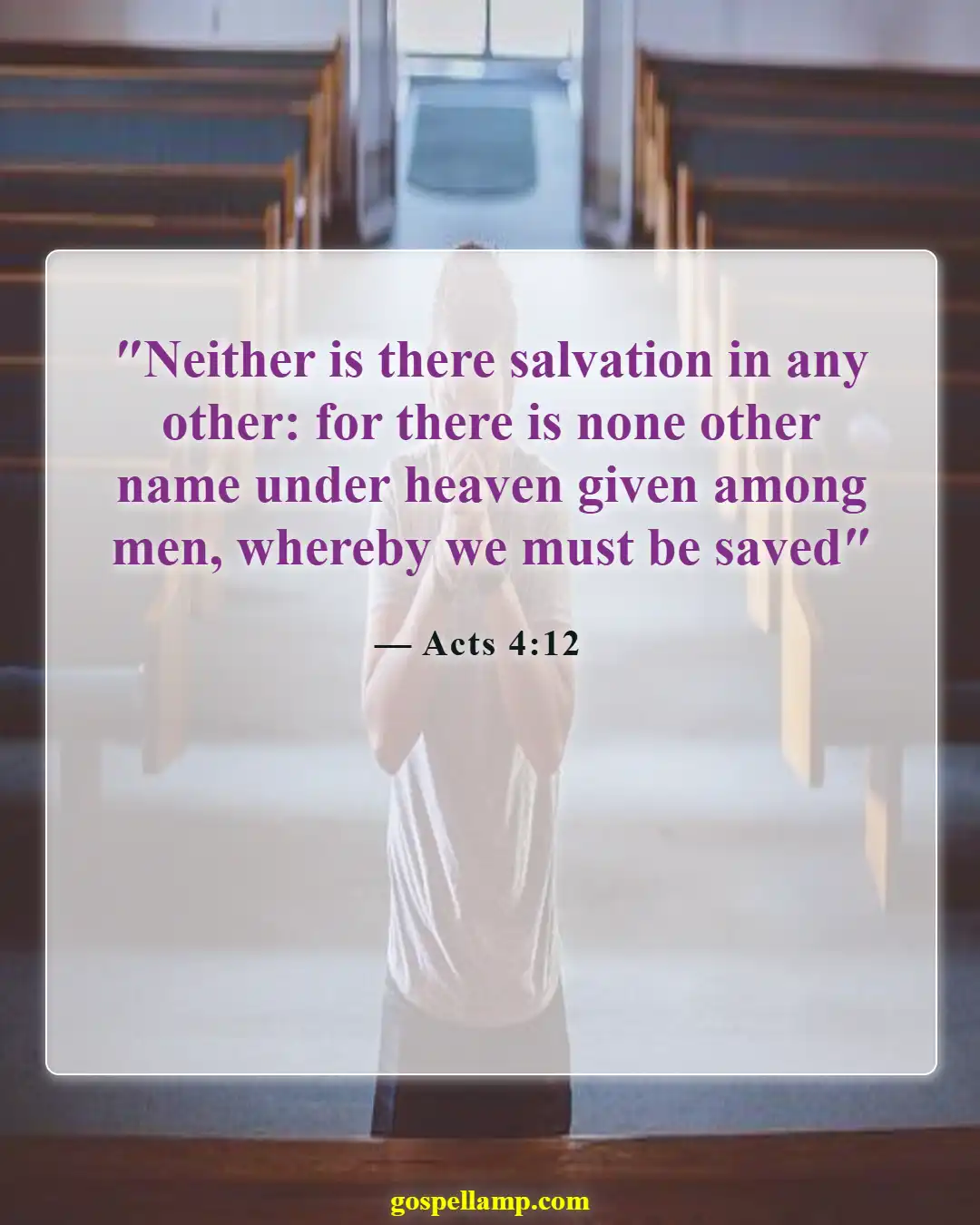
“Neither is there salvation in any other: for there is none other name under heaven given among men, whereby we must be saved”— Acts 4:12
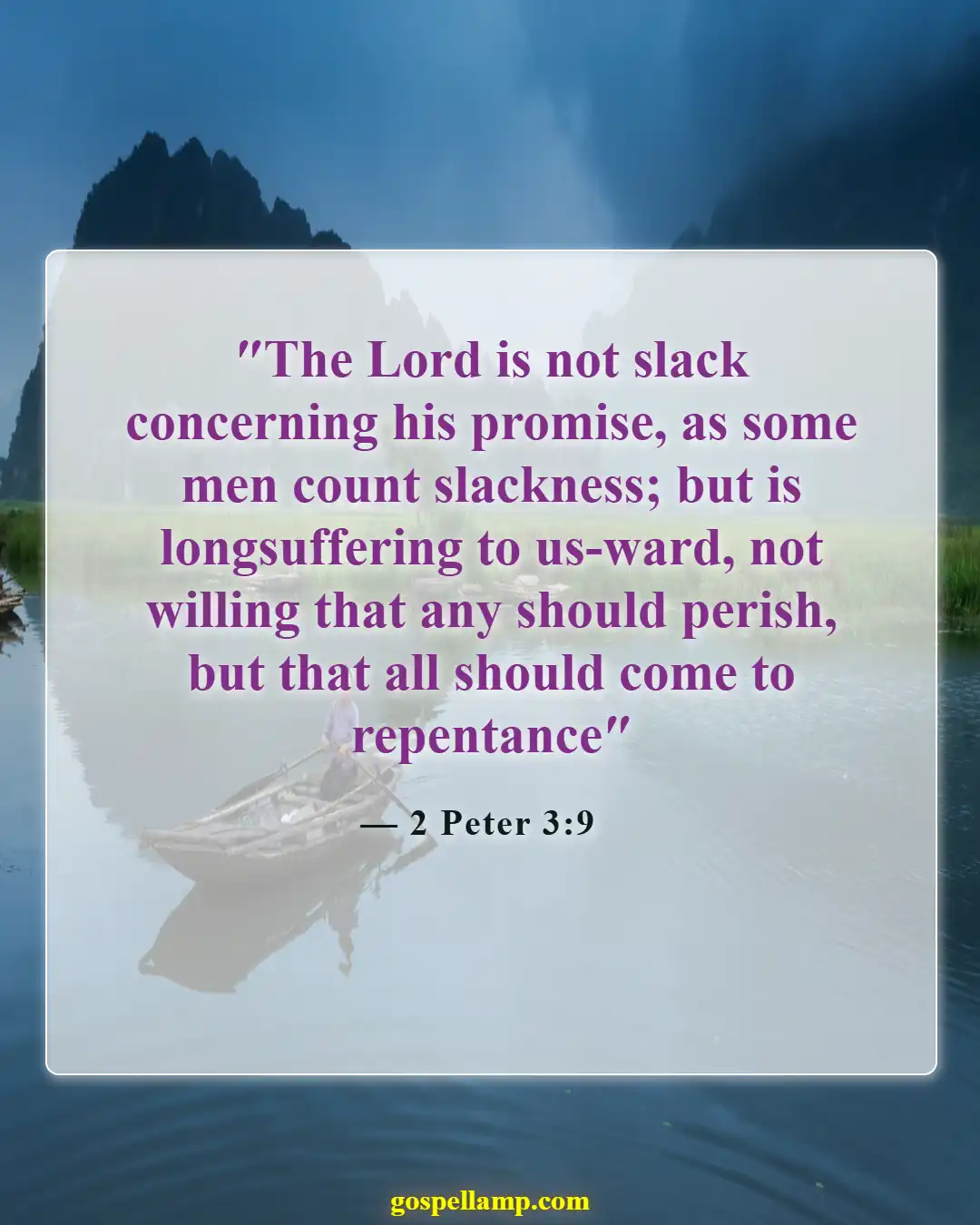
“The Lord is not slack concerning his promise, as some men count slackness; but is longsuffering to us-ward, not willing that any should perish, but that all should come to repentance”— 2 Peter 3:9
The Nature of Eternal Punishment in Biblical Teaching
Eternal punishment is a difficult concept, yet it’s part of the broader narrative about justice and mercy. The Bible presents it as a consequence of choices made against the will of God. However, the focus is often on God’s desire for everyone to find redemption. This teaching encourages us to reflect on our lives and seek the path of righteousness.

“Then shall he say also unto them on the left hand, Depart from me, ye cursed, into everlasting fire, prepared for the devil his angels”— Matthew 25:41
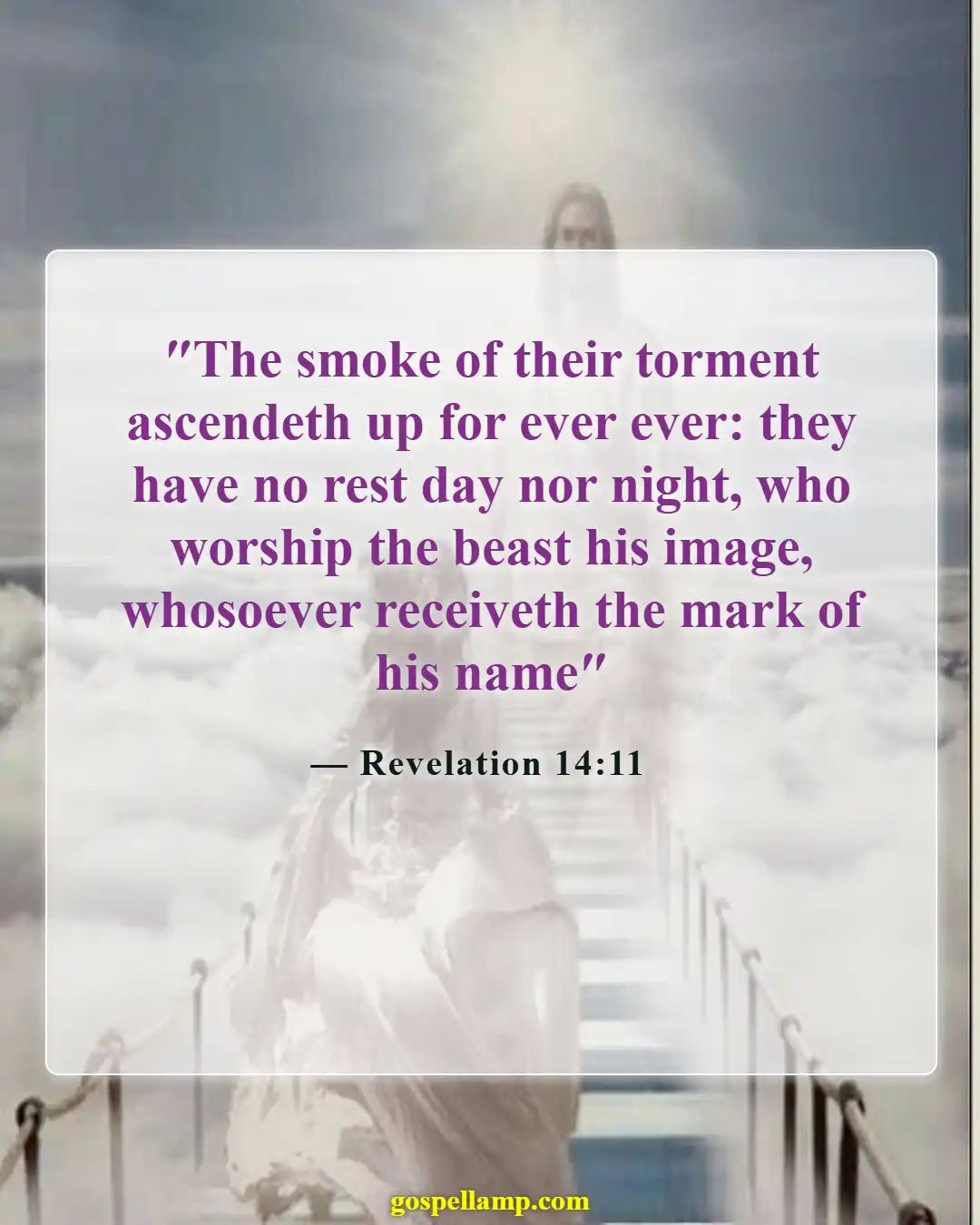
“The smoke of their torment ascendeth up for ever ever: they have no rest day nor night, who worship the beast his image, whosoever receiveth the mark of his name”— Revelation 14:11
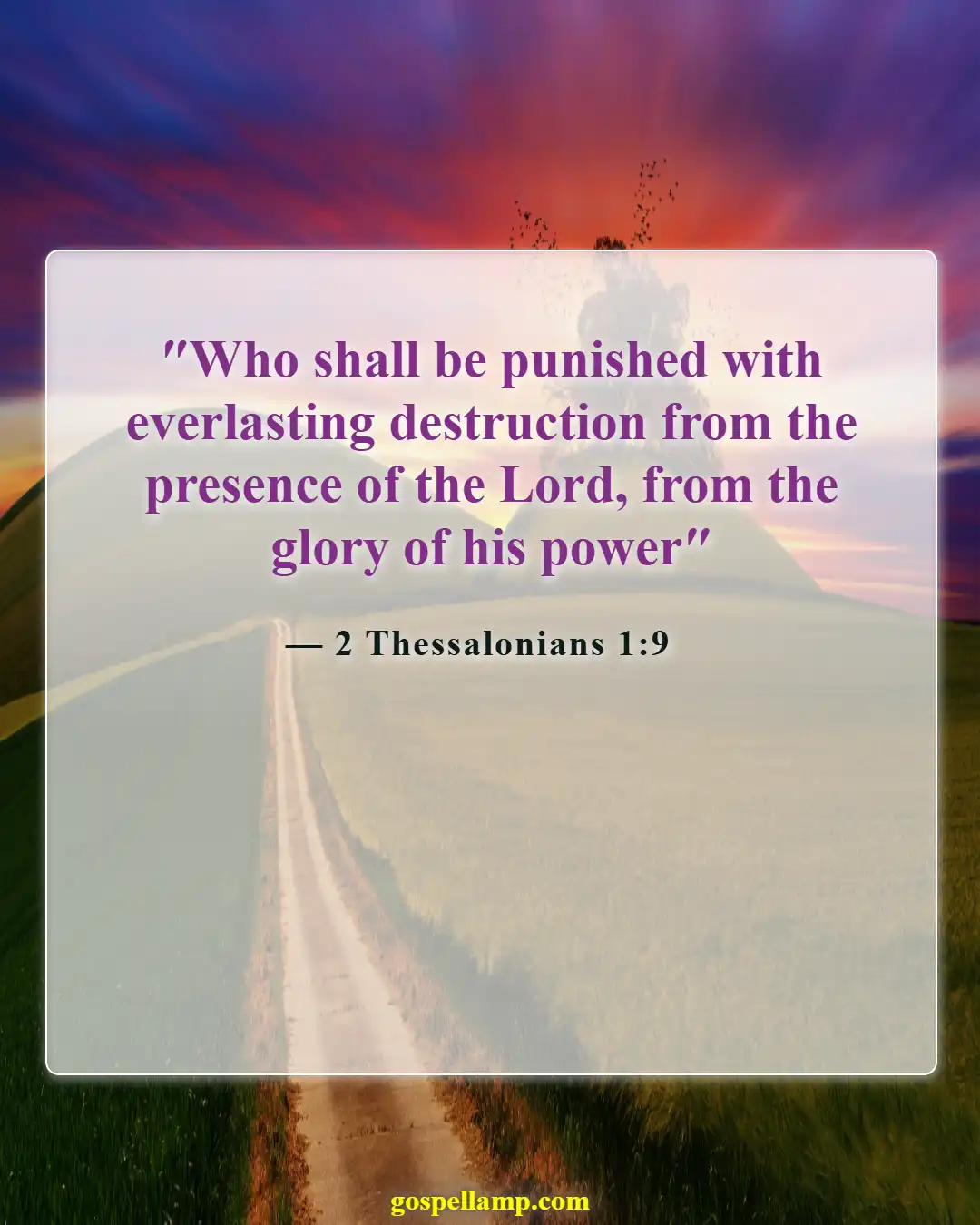
“Who shall be punished with everlasting destruction from the presence of the Lord, from the glory of his power”— 2 Thessalonians 1:9

“Even as Sodom Gomorrha, the cities about them in like manner, giving themselves over to fornication, going after strange flesh, are set forth for an example, suffering the vengeance of eternal fire”— Jude 1:7
“Many of them that sleep in the dust of the earth shall awake, some to everlasting life, some to shame everlasting contempt”— Daniel 12:2
Jesus’s Warnings About Sin and Judgment
Jesus spoke candidly about sin and judgment, offering guidance on how to live a life pleasing to God. His warnings were not just admonishments, but invitations to turn towards love, compassion, and justice. By following His teachings, we find a way to navigate life’s challenges with wisdom and grace, moving closer to God’s kingdom.
“Not every one that saith unto me, Lord, Lord, shall enter into the kingdom of heaven; but he that doeth the will of my Father which is in heavenMany will say to me in that day, Lord, Lord, have we not prophesied in thy name? in thy name have cast out devils? in thy name done many wonderful works?then will I profess unto them, I never knew you: depart from me, ye that work iniquity”— Matthew 7:21-23
“Marvel not at this: for the hour is coming, in the which all that are in the graves shall hear his voiceAnd shall come forth; they that have done good, unto the resurrection of life; they that have done evil, unto the resurrection of damnation”— John 5:28-29

“I tell you, Nay: but, except ye repent, ye shall all likewise perish”— Luke 13:3
“But I say unto you, That every idle word that men shall speak, they shall give account thereof in the day of judgmentFor by thy words thou shalt be justified, by thy words thou shalt be condemned”— Matthew 12:36-37

“He that rejecteth me, receiveth not my words, hath one that judgeth him: the word that I have spoken, the same shall judge him in the last day”— John 12:48
Conclusion
The biblical teachings on sin and hell serve as both a warning and an invitation. Throughout Scripture, we see that sin carries serious consequences, yet God’s grace offers a path to redemption through repentance and faith in Jesus Christ. Understanding these doctrines requires us to approach the Bible with both reverence and humility, recognizing that God’s judgment is just while His mercy is boundless.
To apply these lessons in our daily lives, we must first acknowledge our own sinful nature and the reality of divine judgment. This awareness should motivate us toward genuine repentance and a deeper commitment to following Christ’s teachings. Rather than living in fear of hell, we should embrace salvation as a gift that transforms our hearts and directs our choices toward righteousness.
By studying these biblical truths consistently, we develop a healthier spiritual perspective that balances the gravity of sin with the hope of redemption. This knowledge empowers us to live more intentionally, make wiser decisions, and extend grace to others as we’ve received it. Ultimately, understanding sin and hell deepens our appreciation for God’s love and strengthens our faith journey toward eternal life with Him.