If you’re searching for biblical guidance on valuing and protecting human life, this content is designed specifically for you. Throughout Scripture, God emphasizes the profound worth of every person. Today, we’re sharing powerful Bible verses that illuminate why respect for human life matters deeply from a biblical perspective. These passages will help you understand God’s view on human dignity, the sanctity of life, and how we should treat one another with reverence and compassion. Whether you’re seeking spiritual understanding or moral clarity, these verses offer transformative insights rooted in God’s Word.
Introduction
Dear friends, I’d like to share with you today something that is at the very core of our faith: the immense value God places on each and every human life.
When we delve into Scripture, we discover a clear and consistent message from beginning to end. God has created each of us in His own image, and this profound truth transforms how we should treat one another. It’s not merely a nice thought—it’s a fundamental principle that should influence our relationships, our decisions, and the way we build our communities.
Consider how Jesus lived among us. He never ignored those who were hurting or overlooked. He took time to speak to the woman at the well, reached out to touch the leper, and shared meals with tax collectors and sinners. Every action of His conveyed a powerful message: you are important. Your life has value. You are noticed and loved.
The early followers of Jesus grasped this deeply. They stood against the violence and injustice of their time by holding firm to the belief that all life is sacred. They chose forgiveness over vengeance, cared for the poor and the sick, and spoke up for those who had no voice—demonstrating their faith in the inherent value of every human life.
This message calls us to take real, practical steps. Respecting human life goes beyond just holding the right beliefs. It means taking the time to listen to someone who’s hurting, even when we’re busy. It means actively opposing cruelty and injustice wherever we encounter it. It means showing kindness to those who others might overlook or dismiss.
When we truly understand that every person reflects the image of God, everything changes. Our words become more thoughtful. Our actions become more generous. Our hearts become more compassionate. We begin to see conflicts not as battles to win, but as chances to bring healing and peace.
This is the life God calls us to, friends—a life that honors, protects, and uplifts those around us. As we journey together in faith, let’s dedicate ourselves to demonstrating God’s love for all humanity.
The Sanctity of Human Life in Scripture
From the very beginning, the Bible emphasizes the sacredness of human life. Each person is uniquely crafted and reflects the image of the divine. This understanding invites us to see every individual as precious and worthy of deep respect. When we recognize the sanctity of life, it transforms how we interact with others, encouraging kindness, compassion, and love.

“So God created man in his own image, in the image of God created he him; male female created he them”— Genesis 1:27
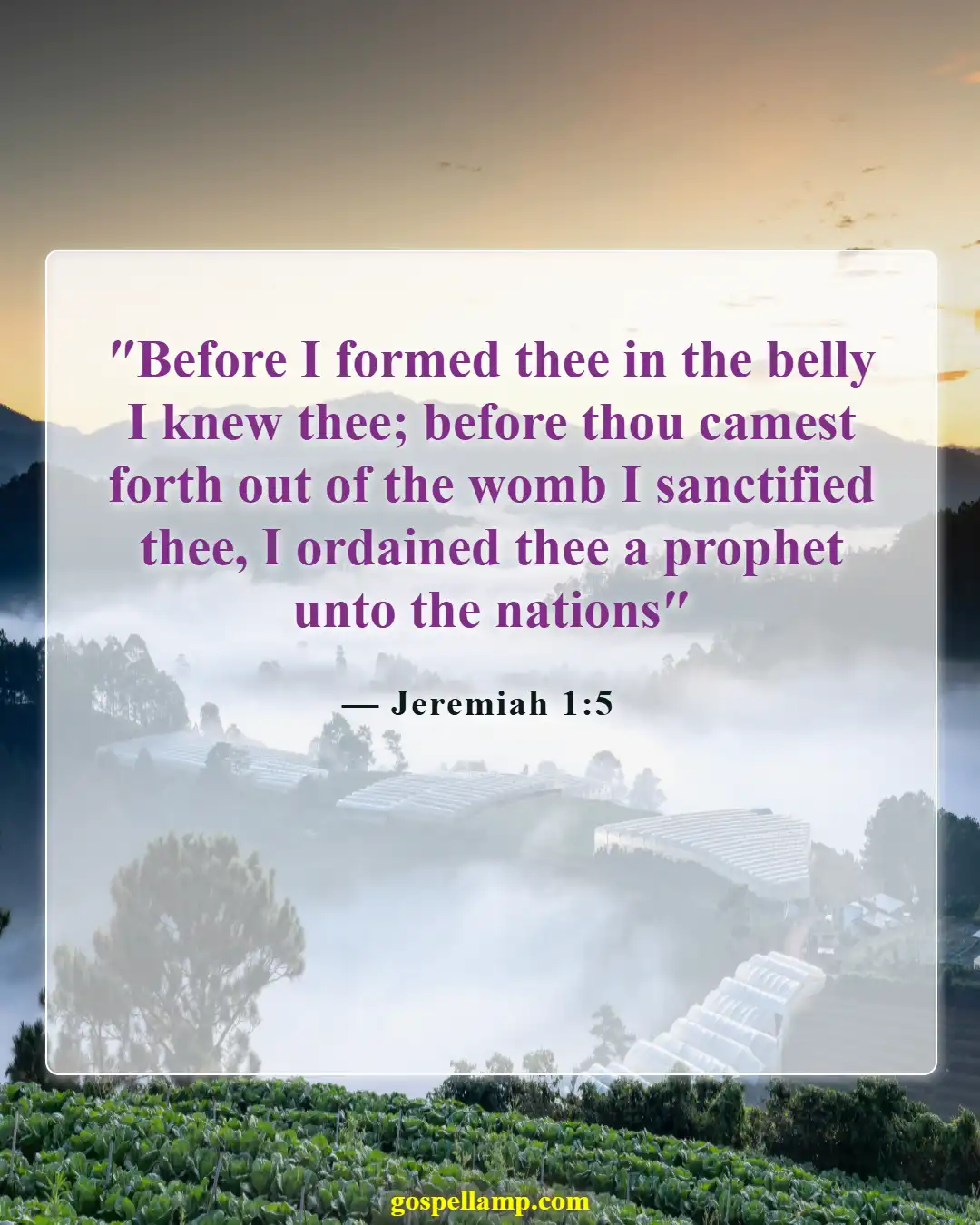
“Before I formed thee in the belly I knew thee; before thou camest forth out of the womb I sanctified thee, I ordained thee a prophet unto the nations”— Jeremiah 1:5
“For thou hast possessed my reins: thou hast covered me in my mother’s wombI will praise thee; for I am fearfully wonderfully made: marvellous are thy works; that my soul knoweth right well”— Psalm 139:13-14

“Can a woman forget her sucking child, that she should not have compassion on the son of her womb? yea, they may forget, yet will I not forget thee”— Isaiah 49:15
Bible Verses on the Value and Dignity of Every Person
Every person, regardless of their background or circumstances, has inherent value and dignity. This principle is woven throughout the Bible, urging us to honor and uplift one another. It’s a call to see beyond the surface and acknowledge the worth in each person, just as we hope others see in us. This perspective changes our communities for the better.
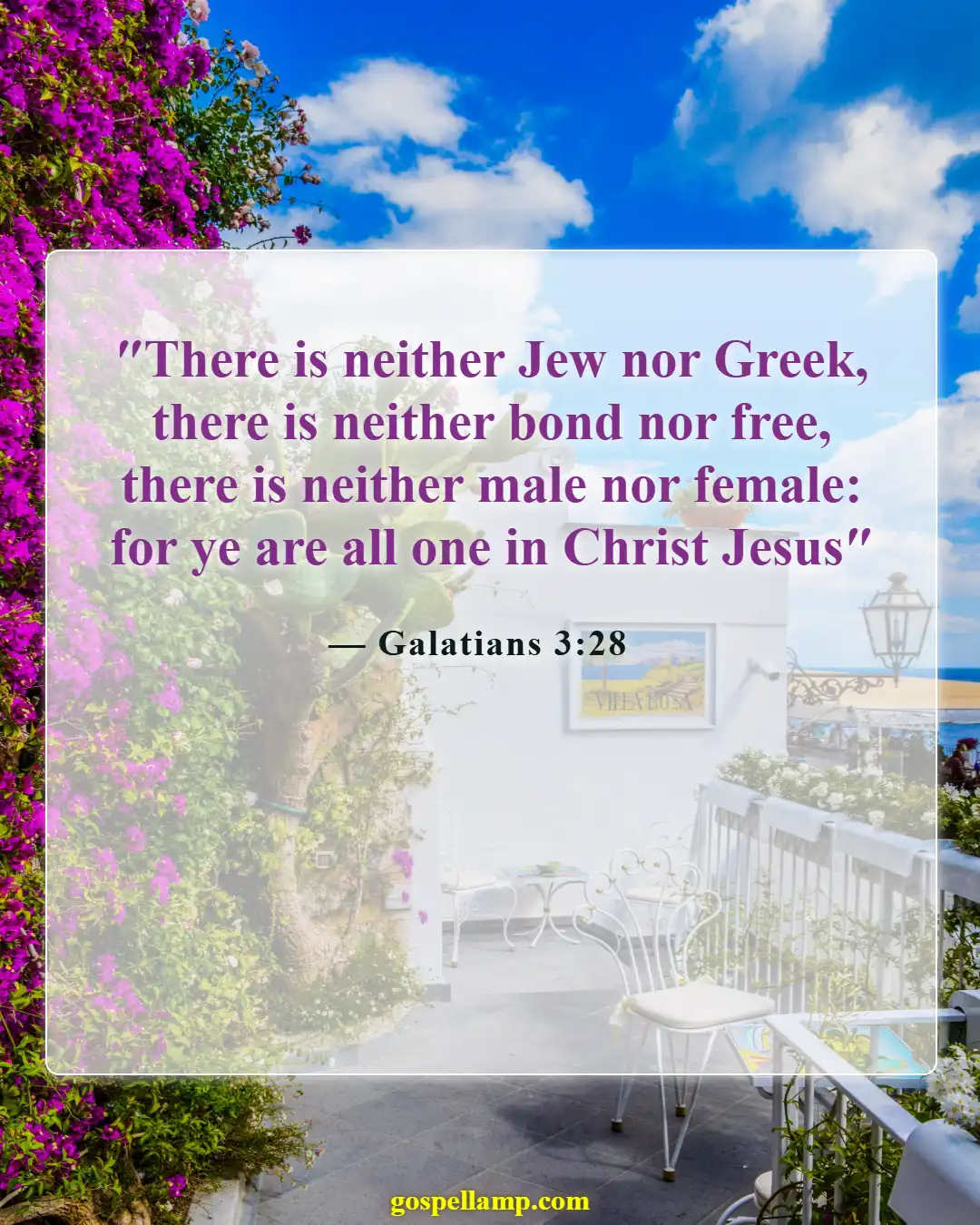
“There is neither Jew nor Greek, there is neither bond nor free, there is neither male nor female: for ye are all one in Christ Jesus”— Galatians 3:28
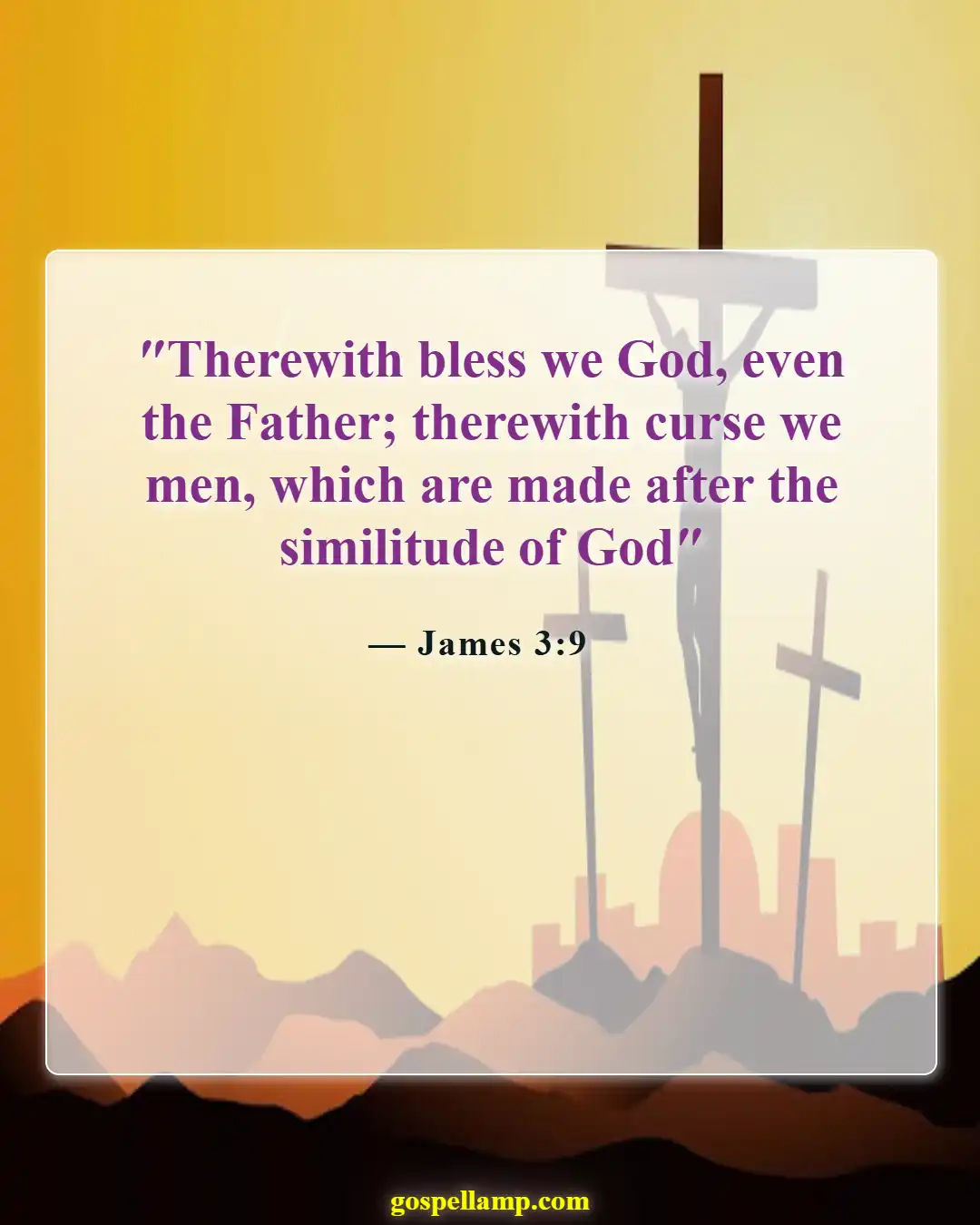
“Therewith bless we God, even the Father; therewith curse we men, which are made after the similitude of God”— James 3:9
“Honour all men. Love the brotherhood. Fear God. Honour the king”— 1 Peter 2:17
“The King shall answer say unto them, Verily I say unto you, Inasmuch as ye have done it unto one of the least of these my brethren, ye have done it unto me”— Matthew 25:40
“Be kindly affectioned one to another with brotherly love; in honour preferring one another”— Romans 12:10
“The rich poor meet together: the Lord is the maker of them all”— Proverbs 22:2
Respecting Life: Old Testament Teachings and Principles
The Old Testament offers wisdom and guidance on respecting life through its laws and stories. These teachings reveal the importance of justice, mercy, and care for others. They remind us that our actions have consequences and that living a life of respect and integrity honors God and benefits our neighbors.
“Thou shalt not kill”— Exodus 20:13
“Thou shalt not avenge, nor bear any grudge against the children of thy people, but thou shalt love thy neighbour as thyself: I am the Lord”— Leviticus 19:18
“He hath shewed thee, O man, what is good; what doth the Lord require of thee, but to do justly, to love mercy, to walk humbly with thy God?”— Micah 6:8
“Thou shalt not kill”— Deuteronomy 5:17
“These six things doth the Lord hate: yea, seven are an abomination unto himA proud look, a lying tongue, hands that shed innocent bloodAn heart that deviseth wicked imaginations, feet that be swift in running to mischiefA false witness that speaketh lies, he that soweth discord among brethren”— Proverbs 6:16-19
“Whoso sheddeth man’s blood, by man shall his blood be shed: for in the image of God made he man”— Genesis 9:6

“Learn to do well; seek judgment, relieve the oppressed, judge the fatherless, plead for the widow”— Isaiah 1:17
Jesus Christ’s Message on Protecting and Valuing Human Life
Jesus Christ’s teachings highlight the importance of love and respect for all people. His life and words challenge us to care for the marginalized and to treat others as we wish to be treated. By following His example, we commit to a life that protects and values human life, fostering a community of peace and understanding.
“Ye have heard that it was said of them of old time, Thou shalt not kill; whosoever shall kill shall be in danger of the judgmentBut I say unto you, That whosoever is angry with his brother without a cause shall be in danger of the judgment: whosoever shall say to his brother, Raca, shall be in danger of the council: but whosoever shall say, Thou fool, shall be in danger of hell fire”— Matthew 5:21-22
“A new commandment I give unto you, That ye love one another; as I have loved you, that ye also love one another”— John 13:34

“As ye would that men should do to you, do ye also to them likewise”— Luke 6:31
“The second is like, namely this, Thou shalt love thy neighbour as thyself. There is none other commandment greater than these”— Mark 12:31

“Take heed that ye despise not one of these little ones; for I say unto you, That in heaven their angels do always behold the face of my Father which is in heaven”— Matthew 18:10
“This is my commandment, That ye love one another, as I have loved you”— John 15:12
How to Apply Biblical Respect for Life in Daily Living
Applying biblical respect for life in our daily routines involves intentional actions and attitudes. It means listening actively, helping those in need, and advocating for justice. These small acts of kindness and fairness reflect God’s love and make a positive impact in our world. We can all contribute to a culture that values life deeply.
“Put on therefore, as the elect of God, holy beloved, bowels of mercies, kindness, humbleness of mind, meekness, longsufferingForbearing one another, forgiving one another, if any man have a quarrel against any: even as Christ forgave you, so also do yeAnd above all these things put on charity, which is the bond of perfectness”— Colossians 3:12-14
“With all lowliness meekness, with longsuffering, forbearing one another in love”— Ephesians 4:2
“Let nothing be done through strife or vainglory; but in lowliness of mind let each esteem other better than themselves”— Philippians 2:3
“Love worketh no ill to his neighbour: therefore love is the fulfilling of the law”— Romans 13:10
“Wherefore comfort yourselves together, edify one another, even as also ye do”— 1 Thessalonians 5:11
“But to do good to communicate forget not: for with such sacrifices God is well pleased”— Hebrews 13:16
Bible Passages Against Violence and Harm to Others
The Bible clearly speaks against violence and harm, urging us to pursue peace and reconciliation. These passages remind us of the importance of resolving conflicts with love and understanding. When we choose peace over violence, we contribute to a safer and more harmonious world where everyone can thrive.
“If it be possible, as much as lieth in you, live peaceably with all men”— Romans 12:18
“Blessed are the peacemakers: for they shall be called the children of God”— Matthew 5:9

“A soft answer turneth away wrath: but grievous words stir up anger”— Proverbs 15:1
“Not rendering evil for evil, or railing for railing: but contrariwise blessing; knowing that ye are thereunto called, that ye should inherit a blessing”— 1 Peter 3:9
“Wherefore, my beloved brethren, let every man be swift to hear, slow to speak, slow to wrathFor the wrath of man worketh not the righteousness of God”— James 1:19-20
“He shall judge among the nations, shall rebuke many people: they shall beat their swords into plowshares, their spears into pruninghooks: nation shall not lift up sword against nation, neither shall they learn war any more”— Isaiah 2:4

“But I say unto you which hear, Love your enemies, do good to them which hate you”— Luke 6:27
Caring for the Vulnerable: Biblical Compassion and Responsibility
Caring for the vulnerable is a recurring theme in Scripture, as God calls us to be compassionate and responsible stewards of His creation. This includes looking after the poor, the orphaned, and the widowed. When we extend our hands to those in need, we reflect God’s love and fulfill His command to love our neighbors as ourselves.
“Pure religion undefiled before God the Father is this, To visit the fatherless widows in their affliction, to keep himself unspotted from the world”— James 1:27
“Open thy mouth for the dumb in the cause of all such as are appointed to destructionOpen thy mouth, judge righteously, plead the cause of the poor needy”— Proverbs 31:8-9
“For I was an hungred, ye gave me meat: I was thirsty, ye gave me drink: I was a stranger, ye took me inNaked, ye clothed me: I was sick, ye visited me: I was in prison, ye came unto me”— Matthew 25:35-36
“If thou draw out thy soul to the hungry, satisfy the afflicted soul; then shall thy light rise in obscurity, thy darkness be as the noon day”— Isaiah 58:10
“But when thou makest a feast, call the poor, the maimed, the lame, the blindAnd thou shalt be blessed; for they cannot recompense thee: for thou shalt be recompensed at the resurrection of the just”— Luke 14:13-14
“For the poor shall never cease out of the land: therefore I command thee, saying, Thou shalt open thine hand wide unto thy brother, to thy poor, to thy needy, in thy land”— Deuteronomy 15:11
“Defend the poor fatherless: do justice to the afflicted needy”— Psalm 82:3
Frequently Asked Questions About Respecting Human Life According to Scripture
Questions often arise about how to faithfully respect human life in light of Scripture. These inquiries can guide us to a deeper understanding of biblical teachings and how they apply to modern challenges. Engaging with these questions helps us grow in wisdom and align our lives more closely with God’s heart for humanity.
“All scripture is given by inspiration of God, is profitable for doctrine, for reproof, for correction, for instruction in righteousnessThat the man of God may be perfect, thoroughly furnished unto all good works”— 2 Timothy 3:16-17
“Thy word is a lamp unto my feet, a light unto my path”— Psalm 119:105
“Wisdom is the principal thing; therefore get wisdom: with all thy getting get understanding”— Proverbs 4:7
“Whether therefore ye eat, or drink, or whatsoever ye do, do all to the glory of God”— 1 Corinthians 10:31
“Whatsoever ye do, do it heartily, as to the Lord, not unto men”— Colossians 3:23
“Finally, brethren, whatsoever things are true, whatsoever things are honest, whatsoever things are just, whatsoever things are pure, whatsoever things are lovely, whatsoever things are of good report; if there be any virtue, if there be any praise, think on these things”— Philippians 4:8
“According as his divine power hath given unto us all things that pertain unto life godliness, through the knowledge of him that hath called us to glory virtueWhereby are given unto us exceeding great precious promises: that by these ye might be partakers of the divine nature, having escaped the corruption that is in the world through lust”— 2 Peter 1:3-4
Conclusion
The Bible presents a cohesive message about human dignity and the sanctity of life that should fundamentally shape how we live. From Genesis to Revelation, Scripture reveals that every person bears God’s image, making respect for human life a core Christian value. Understanding this truth requires more than intellectual knowledge; it demands a transformed heart that actively reflects God’s compassion.
As believers, we must internalize these teachings and allow them to guide our daily decisions and interactions. This means protecting the vulnerable, rejecting violence in all forms, and treating others with the honor they deserve as image-bearers of God. We should approach Scripture with prayerful reflection, asking the Holy Spirit to reveal how these principles apply to our unique circumstances and relationships.
By embracing biblical respect for life, we become instruments of God’s love in a world that often devalues human worth. We are called to advocate for those who cannot speak for themselves, practice compassion in our communities, and model Christ’s sacrificial love. Ultimately, taking Scripture seriously about human life challenges us to live with intentionality, purpose, and unwavering commitment to honoring the precious gift of life that God has entrusted to our stewardship.