
Are you seeking biblical guidance on handling persecution with grace and love? If you’re looking for information about “Bible Verses About Bless Those Who Persecute You,” this content is for you. Today, I’m sharing powerful Bible verses that will help you understand this profound concept better according to Scripture. These passages offer wisdom and encouragement for responding to adversity with compassion rather than anger, transforming your perspective on those who oppose you and deepening your faith journey.
Introduction
Dear friends, when someone causes us pain, it’s natural to want to retaliate. We crave justice and wish for them to feel the hurt we endure. Yet, the teachings of the Bible guide us toward a path of greater strength and transformation. Blessing those who harm us is not about showing weakness or being a doormat. It’s about understanding that love can conquer hate, and forgiveness holds more power than revenge.
Jesus showed us this revolutionary way to deal with our adversaries. He didn’t just preach it—He demonstrated it with His life. Imagine Him on the cross, surrounded by those who ridiculed and tormented Him, yet He prayed for their pardon. Such love is beyond what we can easily comprehend, but it is the example He set for us to follow.
When we decide to bless those who hurt us, something amazing happens within us. The bitterness that once filled our hearts starts to dissolve. We discover a peace that defies worldly logic. We break free from the shackles of anger and resentment. This doesn’t mean ignoring the pain we’ve felt; rather, it involves recognizing it and choosing to respond with the love God calls us to show.
The Bible shares stories of individuals who walked this path. Joseph, despite being wronged by his brothers, chose to bless them instead of seeking vengeance. Stephen, even as he faced death by stoning, prayed for his executioners. These acts were not signs of weakness but of immense strength, grounded in faith and trust in God’s justice.
Dear friends, embracing this teaching means praying sincerely for those who hurt us. It means choosing kind words when harsh ones are easier. It means seeking the good in others and asking God to touch their hearts. Yes, it’s a challenging path. Yes, it goes against our natural instincts. But when we do this, we align ourselves with God’s kingdom and welcome His peace into our lives.
The obstacles are real. Fear, anger, and pain are genuine feelings. However, the Bible assures us that God provides the strength to overcome these challenges. He accompanies us through every trial and promises that our efforts to bless others—even our enemies—do not go unnoticed by Him.
Let us remember these teachings and strive to live by them, trusting in the strength and peace that God provides.
What Does It Mean to Bless Those Who Persecute You?
When we think about blessing those who make our lives difficult, it can seem almost impossible. Yet, it’s a call to respond with love instead of anger. It’s about choosing kindness and extending grace, even to those who may not deserve it. This approach can transform our hearts and the hearts of others, leading to healing and reconciliation. Let’s explore what the Bible says about this profound act of love.

“Bless them which persecute you: bless, curse not”— Romans 12:14

“But I say unto you, Love your enemies, bless them that curse you, do good to them that hate you, pray for them which despitefully use you, persecute you”— Matthew 5:44

“But I say unto you which hear, Love your enemies, do good to them which hate you”— Luke 6:27
“Not rendering evil for evil, or railing for railing: but contrariwise blessing; knowing that ye are thereunto called, that ye should inherit a blessing”— 1 Peter 3:9
“If thine enemy be hungry, give him bread to eat; if he be thirsty, give him water to drinkFor thou shalt heap coals of fire upon his head, the Lord shall reward thee”— Proverbs 25:21-22
Key Bible Verses on Blessing Persecutors
The Bible offers guidance on how to handle persecution with grace. These verses demonstrate the strength found in showing mercy and extending blessings instead of curses. It’s about trusting that God sees and honors our efforts to live peacefully and to love even our adversaries. Through these scriptures, we find a blueprint for living out our faith in challenging situations.
“Labour, working with our own hands: being reviled, we bless; being persecuted, we suffer it”— 1 Corinthians 4:12

“Bless them that curse you, pray for them which despitefully use you”— Luke 6:28

“Rejoice not when thine enemy falleth, let not thine heart be glad when he stumbleth”— Proverbs 24:17

“Be ye kind one to another, tenderhearted, forgiving one another, even as God for Christ’s sake hath forgiven you”— Ephesians 4:32

“Forbearing one another, forgiving one another, if any man have a quarrel against any: even as Christ forgave you, so also do ye”— Colossians 3:13

“But I say unto you, That ye resist not evil: but whosoever shall smite thee on thy right cheek, turn to him the other also”— Matthew 5:39
Jesus’s Teaching on Love and Persecution
Jesus’s teachings challenge us to rise above our natural instincts. He showed us that love is the most powerful force, even in the face of persecution. By following His example, we can learn to respond with compassion and kindness, transforming our relationships and communities. These teachings invite us to embrace a radical love that defies ordinary expectations.
“Blessed are they which are persecuted for righteousness’ sake: for theirs is the kingdom of heaven”— Matthew 5:10
“Remember the word that I said unto you, The servant is not greater than his lord. If they have persecuted me, they will also persecute you; if they have kept my saying, they will keep yours also”— John 15:20

“Then said Jesus, Father, forgive them; for they know not what they do. they parted his raiment, cast lots”— Luke 23:34

“When ye stand praying, forgive, if ye have ought against any: that your Father also which is in heaven may forgive you your trespasses”— Mark 11:25
“Blessed are ye, when men shall revile you, persecute you, shall say all manner of evil against you falsely, for my sake”— Matthew 5:11

“If the world hate you, ye know that it hated me before it hated you”— John 15:18
“Ye have heard that it hath been said, Thou shalt love thy neighbour, hate thine enemyBut I say unto you, Love your enemies, bless them that curse you, do good to them that hate you, pray for them which despitefully use you, persecute you”— Matthew 5:43-44
How to Respond When You’re Being Persecuted
Finding the right way to respond when others mistreat us can be difficult. The Bible encourages us to remain calm, patient, and forgiving. It reminds us that our response can be a powerful testimony of God’s love. By choosing to bless instead of retaliate, we open the door for God’s peace to reign in our hearts and situations.

“Who, when he was reviled, reviled not again; when he suffered, he threatened not; but committed himself to him that judgeth righteously”— 1 Peter 2:23

“Recompense to no man evil for evil. Provide things honest in the sight of all men”— Romans 12:17

“Ye shall be hated of all men for my name’s sake: but he that endureth to the end shall be saved”— Matthew 10:22

“Blessed is the man that endureth temptation: for when he is tried, he shall receive the crown of life, which the Lord hath promised to them that love him”— James 1:12
“If ye be reproached for the name of Christ, happy are ye; for the spirit of glory of God resteth upon you: on their part he is evil spoken of, but on your part he is glorified”— 1 Peter 4:14

“Yea, all that will live godly in Christ Jesus shall suffer persecution”— 2 Timothy 3:12
The Spiritual Benefits of Blessing Your Enemies
When we bless those who hurt us, we often find unexpected spiritual growth. This practice can deepen our faith, increase our peace, and draw us closer to God. By letting go of bitterness, we make room for joy and love to flourish. These spiritual benefits not only enrich our lives but can also have a positive ripple effect on those around us.

“Rejoice, be exceeding glad: for great is your reward in heaven: for so persecuted they the prophets which were before you”— Matthew 5:12

“When a man’s ways please the Lord , he maketh even his enemies to be at peace with him”— Proverbs 16:7

“There is no fear in love; but perfect love casteth out fear: because fear hath torment. He that feareth is not made perfect in love”— 1 John 4:18

“Let us not be weary in well doing: for in due season we shall reap, if we faint not”— Galatians 6:9
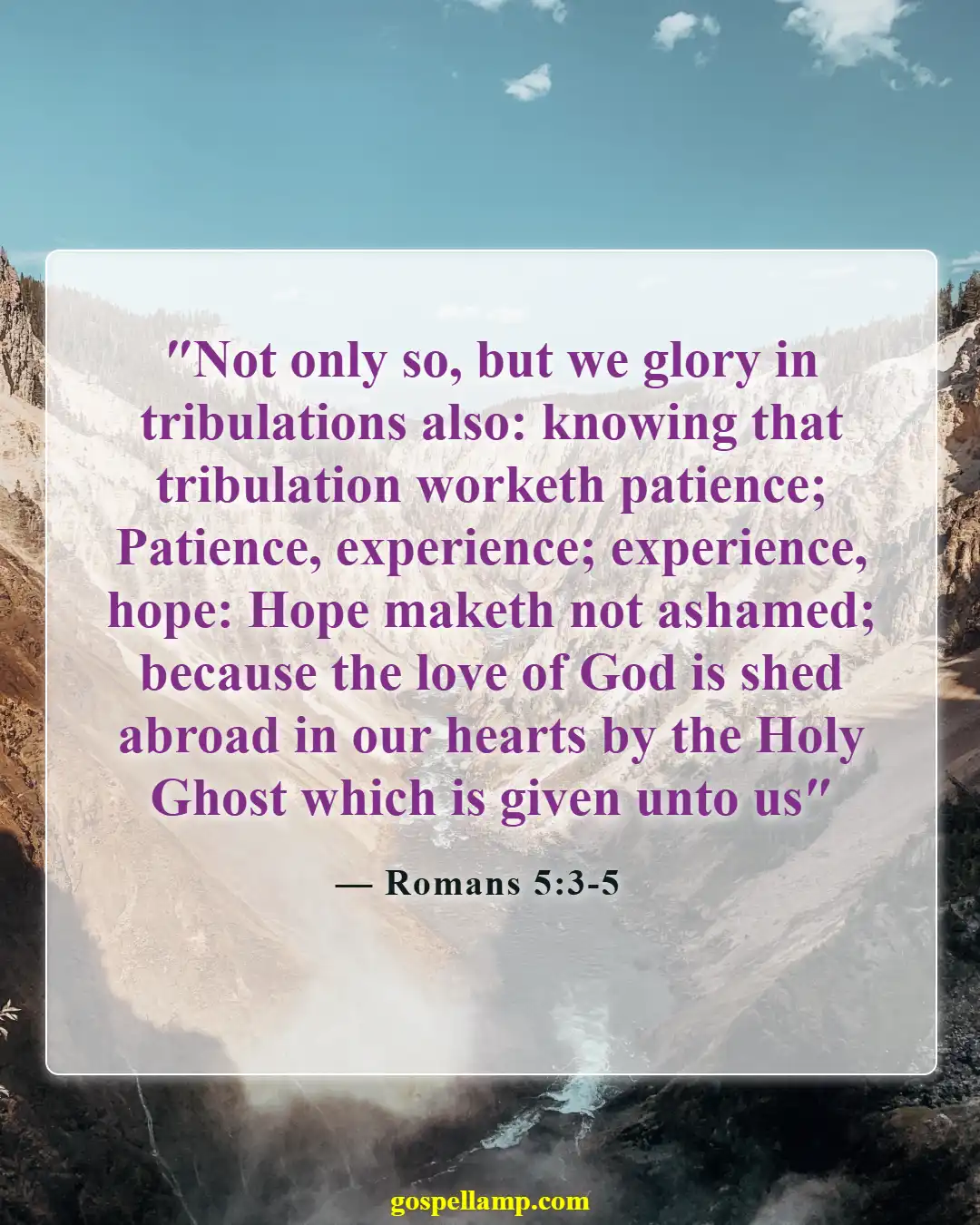
“Not only so, but we glory in tribulations also: knowing that tribulation worketh patienceAnd patience, experience; experience, hopeAnd hope maketh not ashamed; because the love of God is shed abroad in our hearts by the Holy Ghost which is given unto us”— Romans 5:3-5

“The peace of God, which passeth all understanding, shall keep your hearts minds through Christ Jesus”— Philippians 4:7
Biblical Examples of People Who Blessed Their Persecutors
The Bible provides numerous examples of individuals who chose to bless rather than curse their persecutors. Their stories inspire us to follow their lead, showing us that forgiveness and blessing can lead to powerful changes and redemption. These examples encourage us to trust in God’s greater plan, even when it seems difficult to understand.

“But as for you, ye thought evil against me; but God meant it unto good, to bring to pass, as it is this day, to save much people alive”— Genesis 50:20

“He kneeled down, cried with a loud voice, Lord, lay not this sin to their charge. when he had said this, he fell asleep”— Acts 7:60
“The Lord judge between me thee, the Lord avenge me of thee: but mine hand shall not be upon thee”— 1 Samuel 24:12
“It may be that the Lord will look on mine affliction, that the Lord will requite me good for his cursing this day”— 2 Samuel 16:12
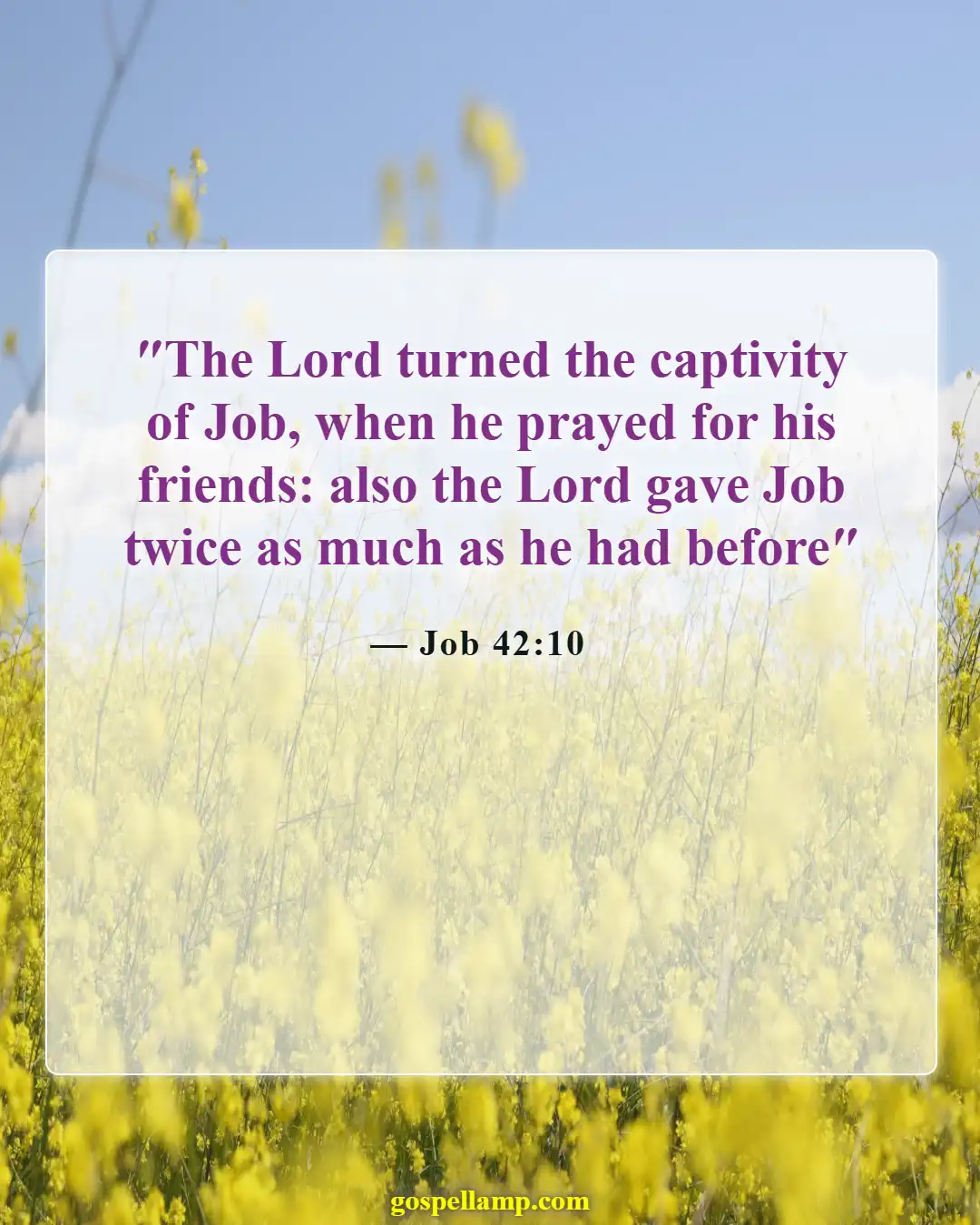
“The Lord turned the captivity of Job, when he prayed for his friends: also the Lord gave Job twice as much as he had before”— Job 42:10

“My God hath sent his angel, hath shut the lions’ mouths, that they have not hurt me: forasmuch as before him innocency was found in me; also before thee, O king, have I done no hurt”— Daniel 6:22
Practical Ways to Apply This Teaching in Daily Life
Applying the teaching of blessing our persecutors in everyday life can be challenging, but it’s possible with intentional practice. Small acts of kindness, prayers for those who hurt us, and choosing to speak well of others can make a big difference. These practices help us live out our faith in tangible ways, transforming our relationships and communities.

“Let nothing be done through strife or vainglory; but in lowliness of mind let each esteem other better than themselves”— Philippians 2:3

“Be not overcome of evil, but overcome evil with good”— Romans 12:21
“Therewith bless we God, even the Father; therewith curse we men, which are made after the similitude of GodOut of the same mouth proceedeth blessing cursing. My brethren, these things ought not so to be”— James 3:9-10

“Be ye therefore merciful, as your Father also is merciful”— Luke 6:36
“I therefore, the prisoner of the Lord, beseech you that ye walk worthy of the vocation wherewith ye are calledWith all lowliness meekness, with longsuffering, forbearing one another in loveEndeavouring to keep the unity of the Spirit in the bond of peace”— Ephesians 4:1-3

“See that none render evil for evil unto any man; but ever follow that which is good, both among yourselves, to all men”— 1 Thessalonians 5:15
Common Challenges and How Scripture Addresses Them
Facing persecution comes with its set of challenges, like dealing with anger, fear, and resentment. Fortunately, scripture offers wisdom and encouragement to help us overcome these hurdles. By leaning on biblical truths, we can find strength and courage to persevere, knowing that God is with us every step of the way.

“Fear thou not; for I am with thee: be not dismayed; for I am thy God: I will strengthen thee; yea, I will help thee; yea, I will uphold thee with the right hand of my righteousness”— Isaiah 41:10

“Many are the afflictions of the righteous: but the Lord delivereth him out of them all”— Psalm 34:19

“Trust in the Lord with all thine heart; lean not unto thine own understandingIn all thy ways acknowledge him, he shall direct thy paths”— Proverbs 3:5-6

“So that we may boldly say, The Lord is my helper, I will not fear what man shall do unto me”— Hebrews 13:6

“Marvel not, my brethren, if the world hate you”— 1 John 3:13
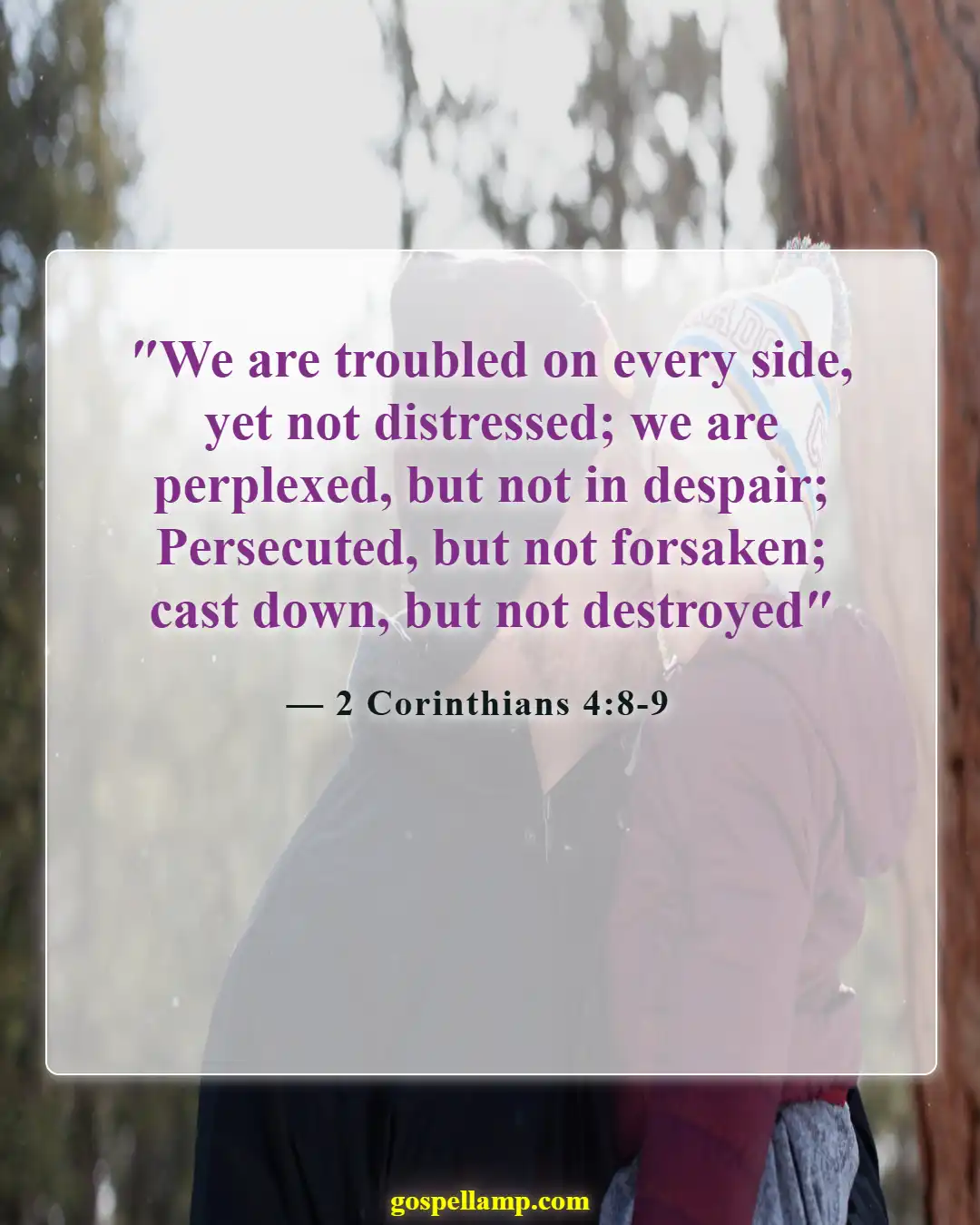
“We are troubled on every side, yet not distressed; we are perplexed, but not in despairPersecuted, but not forsaken; cast down, but not destroyed”— 2 Corinthians 4:8-9
Conclusion
The teaching to bless those who persecute us represents one of Christianity’s most transformative principles. As we’ve explored, this biblical mandate challenges our natural inclinations and calls us toward spiritual maturity. Scripture consistently emphasizes that loving our enemies isn’t a suggestion—it’s a core requirement of our faith, exemplified by Jesus and demonstrated throughout biblical history.
To truly live out this teaching, we must approach God’s Word with humility and openness. The Bible isn’t merely historical text; it’s a living guide that transforms our hearts and actions. When we encounter difficult passages about blessing our persecutors, we should pray for wisdom to understand their deeper meaning and seek the Holy Spirit’s guidance in application.
The primary lesson here is that our response to mistreatment defines our character and faith. By choosing to bless those who harm us, we break cycles of hatred and demonstrate Christ’s love authentically. In daily life, this means practicing forgiveness, praying for our adversaries, and choosing kindness even when hurt. This approach doesn’t deny our pain but transcends it, allowing us to experience genuine freedom and spiritual growth. When we align our lives with Scripture’s wisdom, we become agents of God’s redemptive love in a broken world.